Postpartum Hair Loss: When It Starts, When It Stops, and What Helps

Postpartum Hair Loss: When It Starts, When It Stops, and What Helps
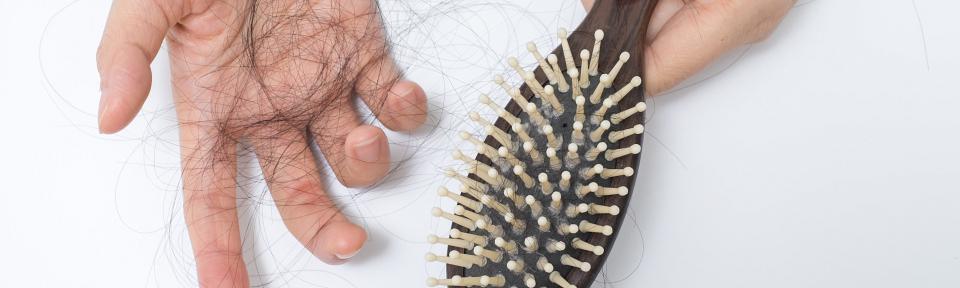
Seeing more hair in your brush, shower drain, or on your pillow after having a baby can be unsettling. Postpartum hair loss is common, temporary, and usually improves as your body recovers from pregnancy.
“If you have hair loss that goes beyond the first year or you’re noticing significant bald patches or hair loss from other parts of the body, this could signify another disease and would be worth investigating with a health care provider,” says Trece Swanson, DNP, CNM, MSCP, a Certified Nurse Midwife and Assistant Professor in the Department of Obstetrics and Gynecology at University of Utah Health.
Why Does Hair Fall Out After Pregnancy?
During pregnancy, higher estrogen levels cause hair to remain in a growth phase called the anagen phase. That is one reason hair may look thicker or fuller while you are pregnant.
After delivery, estrogen levels fall and your usual hair-growth cycle resumes. The hairs that stayed in the growth phase during pregnancy can shed around the same time, creating the appearance of sudden hair loss.
According to the American Academy of Dermatology Association (AAD), postpartum hair loss isn’t true hair loss. Dermatologists call this excessive hair shedding.
When Does Postpartum Hair Loss Start and Stop?
“Estrogen levels fall immediately after delivery, but the impact on the follicle can be a little bit delayed,” Swanson says.
Many people notice extra shedding a few months after delivery. It often begins to improve after the peak, and most people regain their usual hair thickness by their baby’s first birthday, if not sooner.
“A year sounds like a long time when you’re only four months out, but four months is typically the peak, and then it starts to improve after that,” Swanson says.
What Can You Do About Postpartum Hair Loss?
Postpartum hair loss resolves on its own. In the meantime, a few hair-care changes can help your hair look fuller and prevent breakage:
- Use a volumizing shampoo.
- Choose a conditioner formulated for fine hair.
- Use conditioners only on the ends of your hair; using it on your scalp can weigh the hair down and make it look thinner.
- Avoid shampoos labeled as “conditioning shampoo” and conditioners labeled as “intensive,” which are too heavy and can make your hair look thinner.
Swanson also recommends a healthy diet and continuing to take a prenatal vitamin for up to a year after delivery. This can be especially important if you are breastfeeding.
When Should You See a Doctor About Postpartum Hair Loss?
Talk with a health care provider if you are experiencing:
-
Bald patches
-
Hair loss on other parts of your body
-
Continued hair loss after your baby’s first birthday
A clinician can help rule out other causes of hair loss, such as iron deficiency, thyroid disease, or another scalp condition.
FAQ: Postpartum Hair Loss
Is it normal to lose hair in clumps after having a baby?
It can be. Postpartum shedding can feel dramatic, especially when you notice hair in the shower or on your brush. It is usually spread across the scalp rather than appearing as distinct bald patches.
Will my hair grow back after pregnancy?
For most people, yes. Postpartum shedding is temporary, and hair usually returns to its usual fullness by a baby’s first birthday.
Can postpartum hair loss cause bald spots?
Typical postpartum shedding causes overall thinning, not distinct bald patches. If you notice bald spots, scalp irritation, or loss of hair elsewhere on your body, contact your health care provider.
Does breastfeeding make postpartum hair loss worse?
Hair shedding can vary from person to person, including among people who breastfeed. Focus on eating regularly, staying hydrated, and talking with your care team about your nutrition and any concerns.
Can I use biotin or minoxidil while breastfeeding?
Talk with your OB-GYN, primary care provider, or dermatologist before starting a supplement or hair-loss treatment while breastfeeding. They can help you weigh the potential benefits and safety considerations for you and your baby.
Learn More From Our Specialists

Healing After Birth: What Every New Mother Should Know
The six weeks after childbirth are critical for physical healing and emotional adjustment. Learn why this period plays a vital role in restoring pelvic floor health, managing hormonal shifts, and addressing complications early.