This content was originally produced for audio. Certain elements, such as tone, sound effects, and music, may not fully capture the intended experience in textual representation. Therefore, the following transcription may have been modified for clarity. We recognize not everyone can access the audio podcast. However, for those who can, we encourage subscribing and listening to the original content for a more engaging and immersive experience.
All thoughts and opinions expressed by hosts and guests are their own and do not necessarily reflect the views held by the institutions with which they are affiliated.
Vitamin D Recommendations: 600-800 Units Per Day
Do you need to take a bucket of vitamin D to stay healthy? Should you go out in the sun? Controversy continues to rage: the experts versus the data. This is Dr Kirtly Jones from obstetrics and gynecology at University of Utah Healthcare, and this is what's new, or not so new, on vitamin D.
What is a good girl to do? Should you take vitamin D supplements in large doses, 2000 to 4000 units a day or 50,000 twice a month? The "experts" say vitamin D prevents cancer, heart disease, and an aging brain. Should you take 600 units a day as recommended by the Institute of Medicine, a dose that's been recommended for years, or should you just forget about it?
In March of 2015, Dr. JoAnn Manson, the Chief of Preventive Medicine at the Brigham and Women's Hospital, and professor of medicine at Harvard Medical School, told TIME Magazine in an interview about vitamin D, "It's the wild, wild west. The issue has become murkier over time rather than clearer."
With a new study published in JAMA, the Journal of the American Medical Association, it was a randomized trial of vitamin D in low doses, no doses, and high doses. The patients were five years or more past menopause and up to 75 years of age. The location was the University of Wisconsin in Madison, a high-latitude, dark place in the winter.
All the women were taking less than 600 units of vitamin D per day. They all have a low vitamin D level, 14 to 27 nanogram/ml if you're interested, and the women were randomized to a placebo, 600 units a day, and 50,000 units twice a month. Vitamin D levels were measured, as were bone density, calcium absorption, and muscle strength and mass. The study was over five years. So what did it show?
Well, the ladies randomized a high dose had their vitamin D levels increase, as you'd expect. The low-dose group increased a little, and then no dose didn't change. Calcium absorption increased by 1% in the high-dose arm, decreased by 2% in the low-dose arm, and decreased 1% in the no-dose arm. These differences are so small they don't even matter. There was no difference in bone density, muscle mass, muscle function, or falls in all groups.
The author of the study suggested a very practical middle-of-the-road approach. Don't get your vitamin D level checked and take 600 to 800 units of vitamin D per day, and that's what's in most multivitamins that are given to women. That's what the data suggests, that's what the Institute of Medicine suggests, and that's what Health Canada recommends for our neighbors to the Dark North.
Health Concerns and Vitamin D
But, some health experts are passionate about the topic of vitamin D and its health benefits, and some women want to take a lot of vitamin D. Overdoing vitamin D, more than 10,000 units a day, can lead to the body dumping calcium in the urine, which can cause kidney stones.
Extremely high doses, about 10,000 units a day, can trigger calcium deposits in blood vessels, which can lead to blood clots and heart attacks. The Institute of Medicine recommends no more than 4000 units of vitamin D to avoid these problems.
So there are a lot more studies underway around the planet looking at other health outcomes. These studies are different than the old studies that measure vitamin D levels and look at health statistics. The old studies were association studies. Low levels of vitamin D were associated with more heart disease and cancer. But maybe people at higher levels of vitamin D had other healthy behaviors, like they went outside and exercised more. Maybe it was sunlight that was a cure-all, not a vitamin D pill. I can feel the floors quaking in the dermatology clinic. The new studies will use the same randomized dose format that the one we just discussed used. The results should start to pop up in a couple of years. These studies will also look at people of different racial and ethnic groups.
Who Needs Vitamin D Testing and Supplementation?
Until then, keep it simple. The only people who may need regular testing for vitamin D deficiency and possible supplementation are those with malabsorption problems like Celiac disease, those who've had gastric bypass surgery, or people who have already had fractures and been diagnosed with osteoporosis. People taking certain medications, including treatment for tuberculosis, might need to consider higher-dose vitamin D pills.
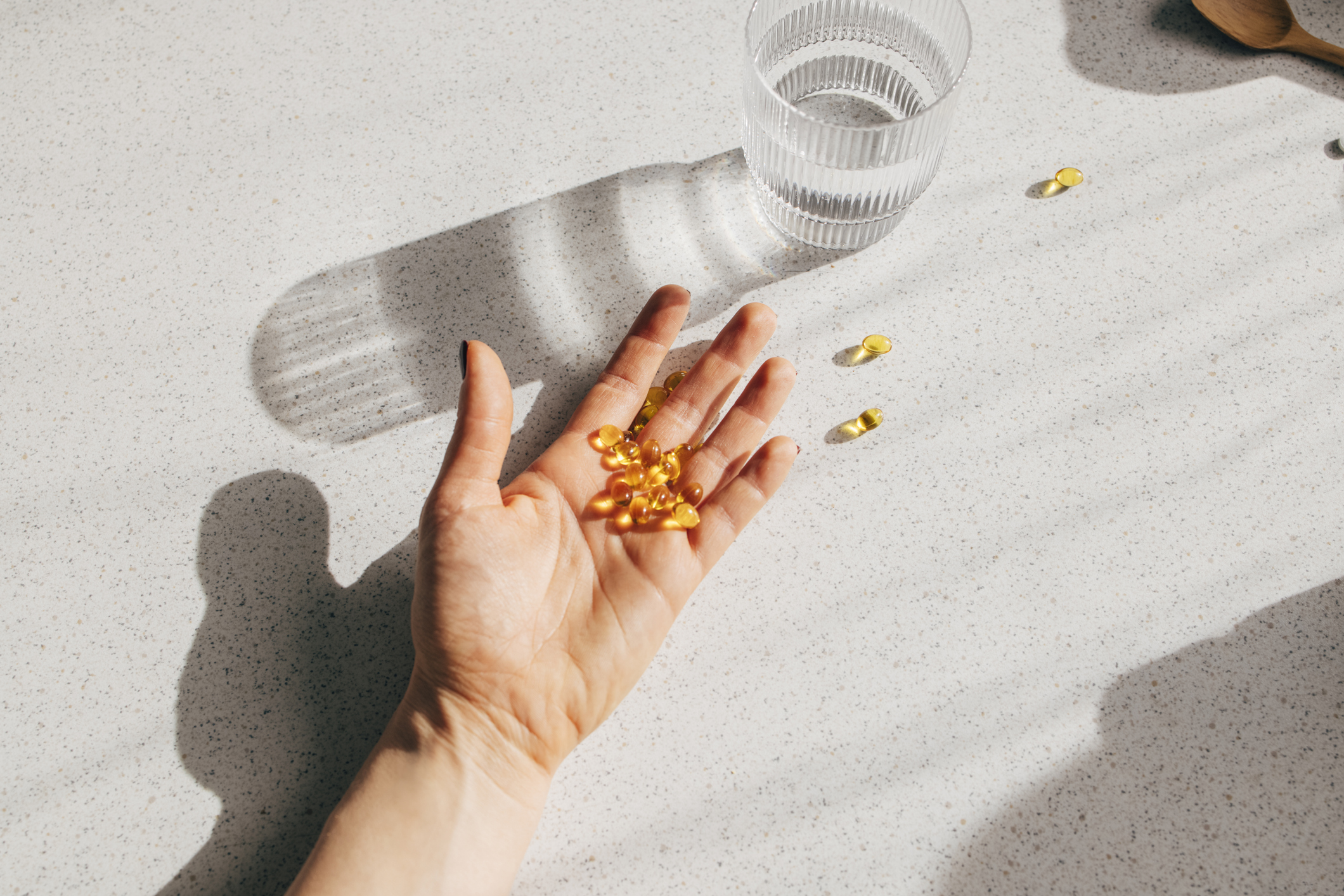
So what do I do? I take two little 2000-unit vitamin D capsules when I remember, which is about once a week. Do the math; that's about 600 units a day. I get out, and get my face and my arms in the sun for about 15 minutes a day most days. I'll keep reading the medical journal so I can make decisions based on the data, not just the experts.
Keep a sunny disposition, and thanks for joining us on The Scope.
updated: December 15, 2023
originally published: September 10, 2015
More Answers and Resources for Your Women's Health Concerns
Current topics, emerging challenges, and expert knowledge on women’s health and wellness with women's health specialist Dr. Kirtly Jones and Dr. Katie Ward.

Learn More From Our Specialists

New Vitamin D Guidelines: Who Really Needs Supplements?
Learn how frequently one should test for vitamin D, how to get what you need from everyday activities, and when supplements are truly necessary.

Is Caffeine Good or Bad for You? Benefits, Risks, and Recommendations for Women
Caffeine is one of the most widely consumed substances in the world. But is it good for you, bad for you, or somewhere in between?

Syndrome vs Disease: Why the Difference Matters for Women's Health
The term "syndrome" can feel unsettling for both clinicians and patients. Learn how a holistic, patient-centered approach can help when answers are not yet complete.

Didn't Get Better After Treatment? Here's Why You Need to Follow-Up With Your Doctor
Getting a prescription is not the end of your care; it is just the beginning. Learn why follow-up is crucial for your health.

How Loneliness Affects Your Health
Nearly half of Americans report feeling lonely, and the consequences extend far beyond emotional pain. Learn about the science behind loneliness and discover strategies to strengthen connection and resilience.

Simple Exercises for a Stronger Body and Mind
As we age, staying active is essential for maintaining both physical and mental well-being. Learn practical strategies to help you stay strong, energized, and confident for years to come.


