This content was originally produced for audio. Certain elements, such as tone, sound effects, and music, may not fully capture the intended experience in textual representation. Therefore, the following transcription may have been modified for clarity. We recognize not everyone can access the audio podcast. However, for those who can, we encourage subscribing and listening to the original content for a more engaging and immersive experience.
All thoughts and opinions expressed by hosts and guests are their own and do not necessarily reflect the views held by the institutions with which they are affiliated.
What is Sudden Infant Death Syndrome (SIDS)?
What is SIDS, and what can I do to prevent my child from having it?
The Back to Sleep campaign came out in 1994 to prevent childhood deaths from SIDS, which is Sudden Infant Death Syndrome. And SIDS is pretty much where we have no idea what caused the sudden, unexplained death of a sleeping baby under one year old. And it's the most common cause of death in babies between one month and one year of age in the United States. In the early 1990s, almost 5,000 babies died of SIDS. That number is now down to less than 2,000 since the Back to Sleep campaign.
Most of the babies who still die from SIDS are due to suffocation. Those babies who do not die of suffocation, we're not really sure what is going on. There are a lot of theories that it could be a brain abnormality. It could be a metabolic disease that we just don't understand yet, but it's still very traumatic nonetheless.
Risk Factors for SIDS
There are risk factors that put your child at risk for SIDS.
- If the mother smokes, drinks, or uses drugs before the baby is born.
- If the baby is born premature, which is before 37 weeks of gestation, or has a brother or sister who died of SIDS.
- If the baby is a boy.
- If the baby sleeps face down, sleeps with soft bedding, or is overheated when sleeping.
Those are the risk factors for SIDS. There is no evidence that immunizations can cause SIDS.
Reducing the Risk of SIDS for Your Baby
So how can I prevent SIDS from being a risk factor for my baby?
Sleeping Position
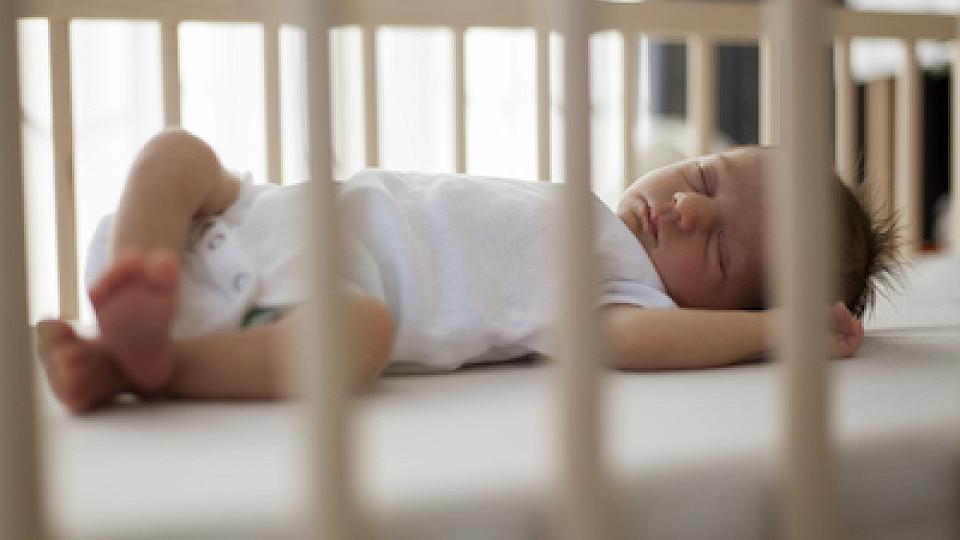
Be sure you put your baby to sleep on their back. Yes, we know that causes some flattening of their heads, but most babies, even if their heads are a little bit flat, are still okay. There are some positioning exercises you can do if we start noticing their head shape changing by two months old, but sleeping on the back is significantly important in terms of preventing SIDS.
Bedding and Toy Safety
If you have your baby sleep in a crib, make sure it's one for infants and that the mattress should be an infant crib mattress. One that is a firm mattress, and do not let your baby sleep in the same bed with other children or adults. Do not place soft toys or extra pillows in the baby's crib, and don't use the bumper pads that go around the crib because the baby can actually get lodged in there and have their face between the bumper and the mattress and suffocate.
If you do use a blanket for your baby, tuck it in so that your baby's face will not be covered. One thing I recommend to parents with babies is to have sleep bags. They have the arms and the head exposed for the baby, and they just zip up just like a little bag. Your baby's in a bag. But they actually are good. They'll keep your baby warm without increasing the risk of SIDS.
Breastfeeding and Pacifiers
Some studies show that breastfed babies have fewer respiratory infections that may increase the risk of SIDS, so if you can breastfeed, that's advised. There has been a link to a lower risk of SIDS with using pacifiers. However, if your baby is not going to be one who uses a pacifier, don't force them. That will create a negative effect, and sleeping on the back is what is really going to be the most important.
Temperature Control
Make sure your baby's room is not overheated. It should be comfortable but not over-hot. Your baby should not feel hot to the touch and should not be sweating excessively while sleeping.
Guidelines for Caregivers
Do not smoke around your baby. Parents who smoke around their babies also put their babies at higher risk for SIDS. If anyone is watching your child while you are not home, make sure they follow these guidelines as well.
So again, while the cause of SIDS is not always known, there are many things you can do to try and decrease the risk of your baby having SIDS.
updated: September 18, 2023
originally published: October 27, 2014
Feel Confident Caring for Your Newborn
A collection of newborn-focused episodes from the HEALTHY KIDS ZONE podcast.

Learn More From Our Specialists

Understanding the Umbilical Cord and Care
A healing umbilical cord can ooze, bleed, and leave a leftover stump. Learn how to care for your newborn's umbilical cord at home and when emergency care is needed.

Newborn Reflexes and Movements
Learn which movements are simply part of your baby’s developing nervous system and which signs could signal a medical problem that needs immediate attention.

Burping Babies After Feeding
Many parents worry that if their baby does not burp after a feeding, they will end up with gas, colic, or an upset stomach. Learn when burping babies may help and when it does not.

5 Developmental Milestones to Watch for in Your Baby
Some of the earliest and most important developmental signs can be easy to overlook. Learn about five milestones that provide valuable insight into a baby’s development.

Helping Your Newborn Get Through Painful Pooping
Straining, crying, and turning red without producing a bowel movement can leave parents worried. Learn why babies struggle with bowel movements and what parents can do to help.

What You Should and Shouldn't Be Feeding Your Baby
Many feeding habits are rooted in outdated advice rather than current science. Learn more about common baby feeding myths and what today's medical experts recommend instead.