cleft palate

Cleft Lip and Palate Care in Babies: A Parents’ Guide to Treatment

cleft palate

Cleft Lip and Palate Care in Babies: A Parents’ Guide to Treatment

Learning your baby has a cleft lip or cleft palate can feel overwhelming. Many parents worry about feeding, speech, surgeries, and what life will look like for their child.

But cleft lip and cleft palate are highly treatable—and more common than many people realize.

“Globally, about one in every 700 babies is born with a cleft lip, a cleft palate, or both,” says Dana Johns, MD, an associate professor in the Division of Plastic Surgery at University of Utah Health and a plastic surgeon at Intermountain Health Primary Children's Hospital. “But our team of specialists wants families to know they’re not alone—and that their child can grow up healthy, confident, and thriving.”

What Is a Cleft Lip or Cleft Palate?

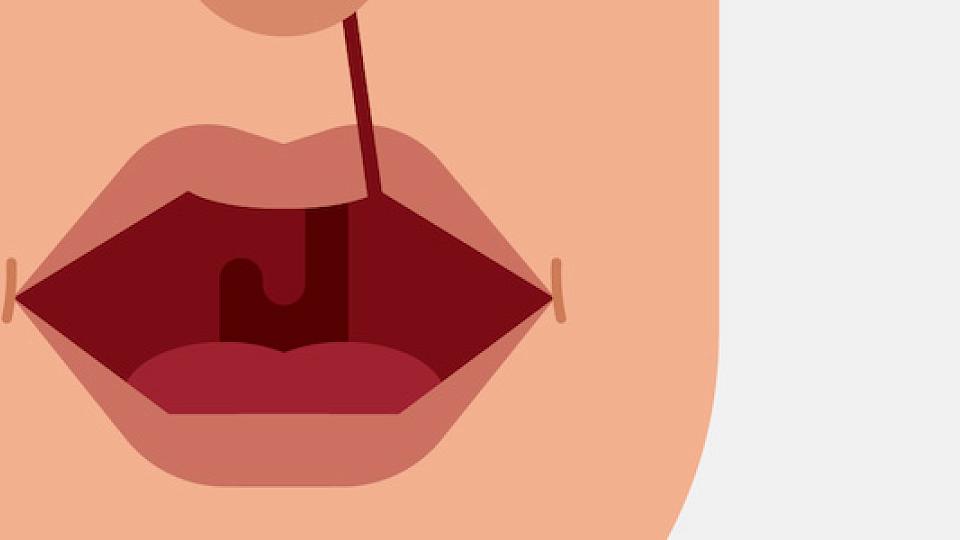
A cleft lip is an opening in the upper lip. A cleft palate is an opening in the roof of the mouth. Both conditions develop during pregnancy when the tissues don’t fully fuse together.  

Clefts can appear on one (unilateral) or both (bilateral) sides, and most are discovered by ultrasound.

“Cleft lip is usually easier to spot before birth,” Johns says. “An isolated cleft palate can be trickier and come as a surprise at delivery.”

What Causes Cleft Lip and Cleft Palate?

Most clefts aren’t tied to a genetic syndrome or a specific environmental trigger. They’re slightly more common in boys, but in most cases, clefts happen without a known reason.

Curiously, cleft cases in Utah far exceed the national average.

“In the United States, about one in 1,000 babies are born with clefts,” Johns says. “But in Utah, it’s about 1 in 550, nearly twice the national average. Researchers have explored altitude, environment, and genetics, but we still don’t know why.”

While that statistic can feel startling, there’s good news for Utah families: the state is home to one of the nation’s leading pediatric plastic and reconstructive surgery centers.

“The craniofacial team at University of Utah Health is known for its innovation and whole‑child approach,” Johns says. “This is our team’s life’s passion, and it shows.”

How Is Cleft Lip or Palate Treated?

When a cleft is identified during pregnancy, parents are connected early with a craniofacial team of specialists, including:

  • Plastic surgeons
  • Orthodontists
  • Feeding specialists
  • Speech therapists
  • Social workers

According to national studies, most children need multiple surgeries over time, ranging from eight to 20.

“Cleft conditions require surgical repair,” Johns says. “At University of Utah Health, we use an innovative protocol that completes major repairs by age 2 ½—much earlier than many programs nationwide.”

In rare cases, very mild clefts can form and then heal on their own in the womb. If a child feeds well and develops normal speech, surgery may not be necessary.

Typical Cleft Surgery Timeline

Shortly after birth

  • Early lip taping
  • Feeding evaluation and assistance

First three months (specific to University of Utah Health)

  • Babies enter the GROW program, where specialists support infants who are struggling with feeding and waking
  • A dietitian team monitors and tracks their progress leading up to surgery

3–5 months

  • Cleft lip repair
  • Placement of a hard palate prosthesis
  • Lip taping, nasal shaping, and molding

10–12 months

  • Soft palate repair (back part of the palate)
  • Prosthesis replacement

2–3 years

  • Hard palate repair (front part of palate)
  • Alveolar (gumline) bone graft
  • Prosthesis removal

5-6 years

  • Minor lip or nasal revisions as needed

6-8 years

  • Bone grafting to alveolus if it was not performed at the time of hard palate repair

Teenage years

  • Upper jaw surgery if a large underbite is present

“Cleft care spans childhood—usually about 18 years of periodic check‑ins,” Johns says. “But with each surgery and milestone, things continue to improve.”

Feeding Challenges in Babies with Cleft Palate

Babies with a cleft palate can’t create suction, which makes breastfeeding for nutrition extremely difficult. Feeding specialists at University of Utah Health teach parents how to use special bottle systems that don’t require suction, such as:

  • Dr. Brown’s specialty bottles
  • Pigeon nipples
  • Haberman (Medela) feeders

“Our feeding specialists help families every step of the way,” Johns says. “They continuously check in—watching the baby feed, offering tips, and making sure everything is going as smoothly as possible.”

A Message of Hope for Parents

While treatment can span many years, most children with cleft lip and palate live life just like their peers.

“Children with clefts often grow up to lead full, active lives,” Johns says, “and they develop strength and resilience along the way.”

For many families, the biggest comfort comes from knowing they do not have to navigate the journey alone.