Love Chewing Ice? It’s Not Good For Your Teeth
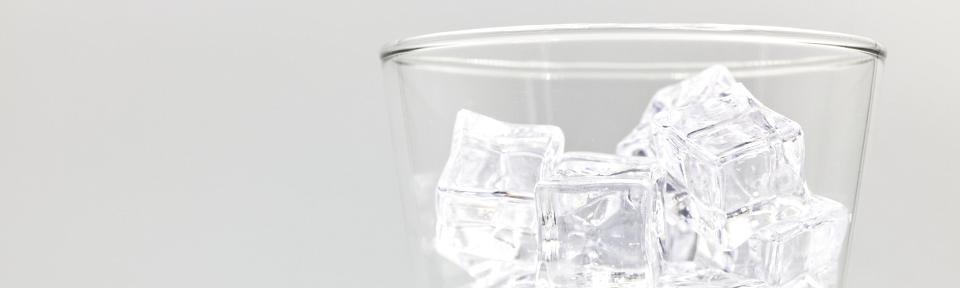
If you’re a sucker for crushed, nugget, or pebble ice—or maybe even shaved ice—be careful. Chewing ice can cause long-term damage, even if it can’t be seen or felt while you chew ice.
While enamel is the strongest structure in the human body, it can be damaged. Chewing ice can cause small cracks in the enamel that can turn into bigger cracks over time and eventually fracture the tooth.
“Think of a windshield crack,” says Rich Homer, DMD, assistant professor and section head of dental conservation and restoration at the University of Utah School of Dentistry. “Once a chip sets in, it can spread and form a bigger crack. This can happen to teeth with or without fillings in them.”
The likelihood of a fracture may be amplified if there are any restorations (fillings) in your mouth. If the bond of composite restorations is broken through chewing ice, the restoration may pop out, or bacteria may sneak past the filling and start a cavity under it.
Depending on where or how a tooth fractures, a dentist may be able to save the tooth. This may require a filling, root canal, crown, or, if the tooth is extracted, an implant.
The best option is to not chew ice due to the long-term effects it may cause to the enamel of your teeth.
.jpg)

Understanding Tooth Sensitivity and How to Manage It
Feeling discomfort when eating hot or cold foods? Tooth sensitivity can be more than just a minor annoyance—it could signal a deeper issue. David Okano, MD, breaks down what different...