Can My Child Play Outside During COVID-19?

You are listening to Healthy Kids Zone:

Can My Child Play Outside During COVID-19?

Apr 28, 2020

Exercise and sunshine are important, even during physical distancing. But a common concern parents may have is whether or not their kids can play outside. Pediatrician Dr. Cindy Gellner talks about the guidelines for keeping safe while playing outdoors during the COVID-19 pandemic.

    This content was originally produced for audio. Certain elements, such as tone, sound effects, and music, may not fully capture the intended experience in textual representation. Therefore, the following transcription may have been modified for clarity. We recognize not everyone can access the audio podcast. However, for those who can, we encourage subscribing and listening to the original content for a more engaging and immersive experience.

    All thoughts and opinions expressed by hosts and guests are their own and do not necessarily reflect the views held by the institutions with which they are affiliated.


    Parents are concerned with the self-quarantine orders. They don't know what to do to get their kids outside. I'll give you some suggestions on today's Scope.

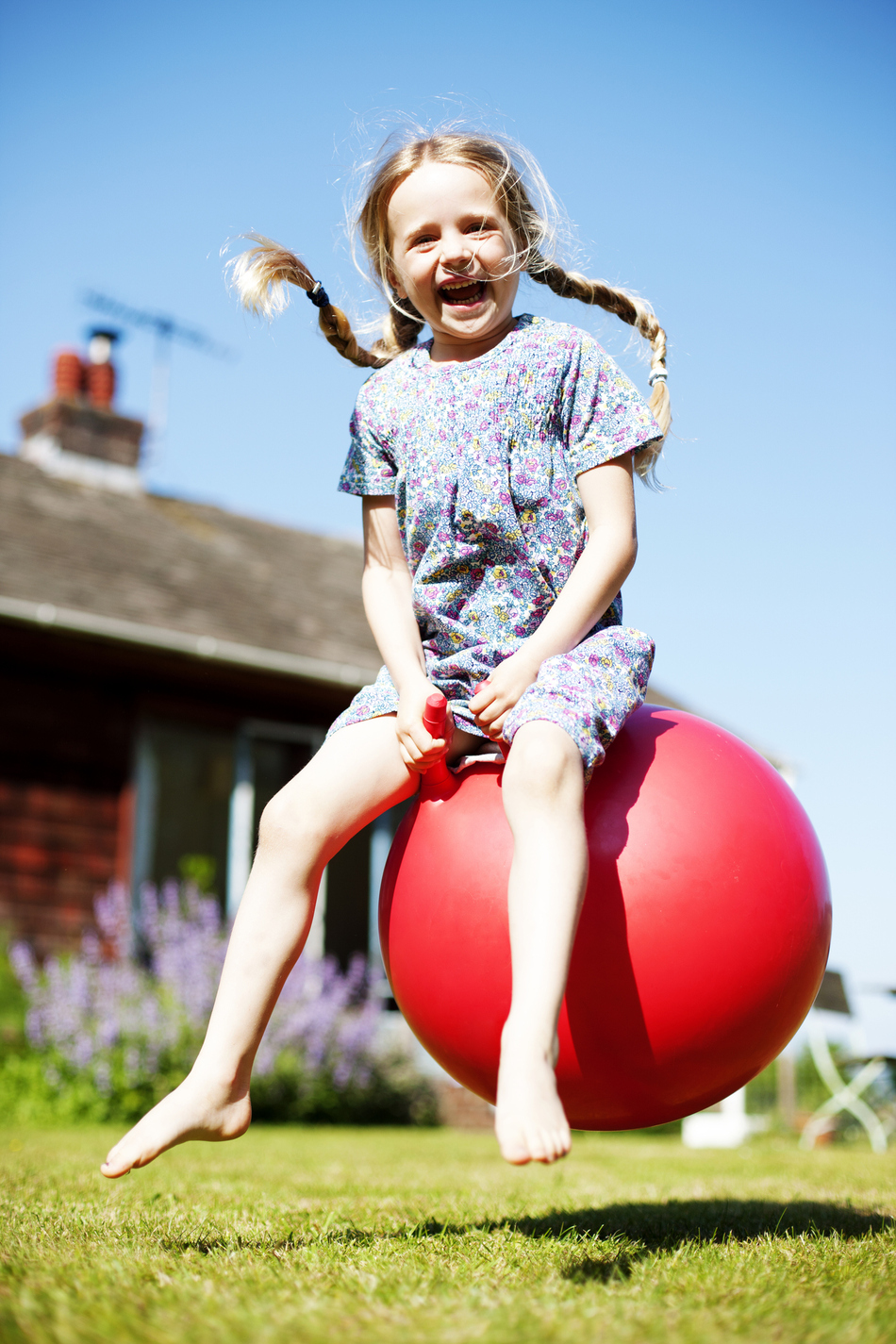
    Some parents have heard that COVID-19 is in the air and have actually asked me if it's safe for their kids to go into their own backyards. Please encourage your children to go outside in their yards. Get some exercise. Get some sunshine. COVID-19 particles can linger in the air if someone who is infected coughs or sneezes, but recent data says that's only for about three hours. And the particles can only travel about 6 feet, according to most studies.

    If your children are around the family members that they are in the house with anyway, and the family is COVID-free, then there isn't a chance they're going to get it just by going outside into their own backyards. What we don't want is for kids to go play on playgrounds or go to other friends' backyards or go to parks and meet their friends. That's not social distancing. So, as hard as it is, those are no-go options for exercise right now.

    I've also been asked over and over again, "How do I deal with my kids who are getting desperate to play with their friends?" I wish I had a good answer for that. I've got two boys at home who are going stir crazy as well. Soccer season has been cancelled. They want to see their friends, and it's just not going to happen. A lot of kids are starting to get depressed as a result of the social isolation. As tempting as it may be to set up a playdate, it's not a good idea. Your child will see this as something they can do now, not a one-time let's bend the rules a bit.

    The best suggestion is what my own kids do. They FaceTime or text with their friends. They see their classmates on Google Classroom or a secure Zoom chat that has been set up by their teacher or their coach. My younger son's classmates love seeing our puppy be part of their weekly school video meetings. They have found ways to connect through video games that, while I have parental controls on, they can have a few of their friends join multiplayer games where they can play and talk to each other.

    It's also important that your kids know that this is temporary and everyone is missing their friends, parents too. We get it. This totally sucks. But if we all do our part, we will keep everyone as healthy as we can. We will be able to see each other again soon if we all social distance now. Until then, it's time to download some social meeting apps.


    DISCLAIMER: This information was accurate at the time of publication. Due to ongoing research and the changing nature of COVID-19, some information may have changed since the original publication date.

    Learn More From Our Specialists

    Person sitting up in bed clutching their chest, appearing distressed

    Shortness of Breath: Anxiety or Coronavirus?

    Shortness of breath, heart-pounding, and chest pain can all be physical signs of anxiety. But they can also be signs of coronavirus as well. Learn the differences between anxiety and COVID-19.

    Listen (6 mins) / Read
    Person wearing a light blue surgical mask looking out a window with their reflection visible in the glass

    What Makes COVID-19 Dangerous for People Over 65?

    People over 65 are at the highest risk of being hospitalized for COVID-19.  Learn what risks you should be considering and how to protect yourself, your parents, and the older loved ones in your life.

    Listen (6 mins) / Read
    Person holding a partially peeled orange and sniffing the peel while standing in a kitchen

    How Do You Treat Parosmia or Loss of Smell?

    Parosmia is a condition where a person’s sense of smell no longer works correctly. Learn about what treatments are most effective and lifestyle changes that may help you get through the condition.

    Listen (18 mins) / Read
    Clinician wearing a surgical mask and blue gloves palpating a pregnant patient's exposed abdomen while the patient supports her belly

    Negative Effects of COVID-19 on Pregnancy

    For women who are pregnant or planning to become pregnant during the COVID-19 pandemic, there are concerns about what risks you and your baby may face if you become infected.

    Listen (10 mins) / Read
    Hands being washed with soapy lather under a running faucet next to a white pump bottle; person wearing striped sleeves

    Stick with the Basics to Protect Yourself and Others from Coronavirus

    Staying physically distant from other people. Covering your coughs and sneezes. When it comes to protecting yourself against coronavirus, the basics are still the best methods.

    Listen (3 mins) / Read
    Person seated at a kitchen table holding a smartphone and looking troubled, with a bowl of salad in front of them

    Maintaining Your Diet and Nutrition During Life Disturbances

    Physical distancing means being confined in a space close to your refrigerator. Learn why it is so important to keep your diet healthy during physical distancing and easy ways to improve your nutrition.

    Listen (7 mins) / Read