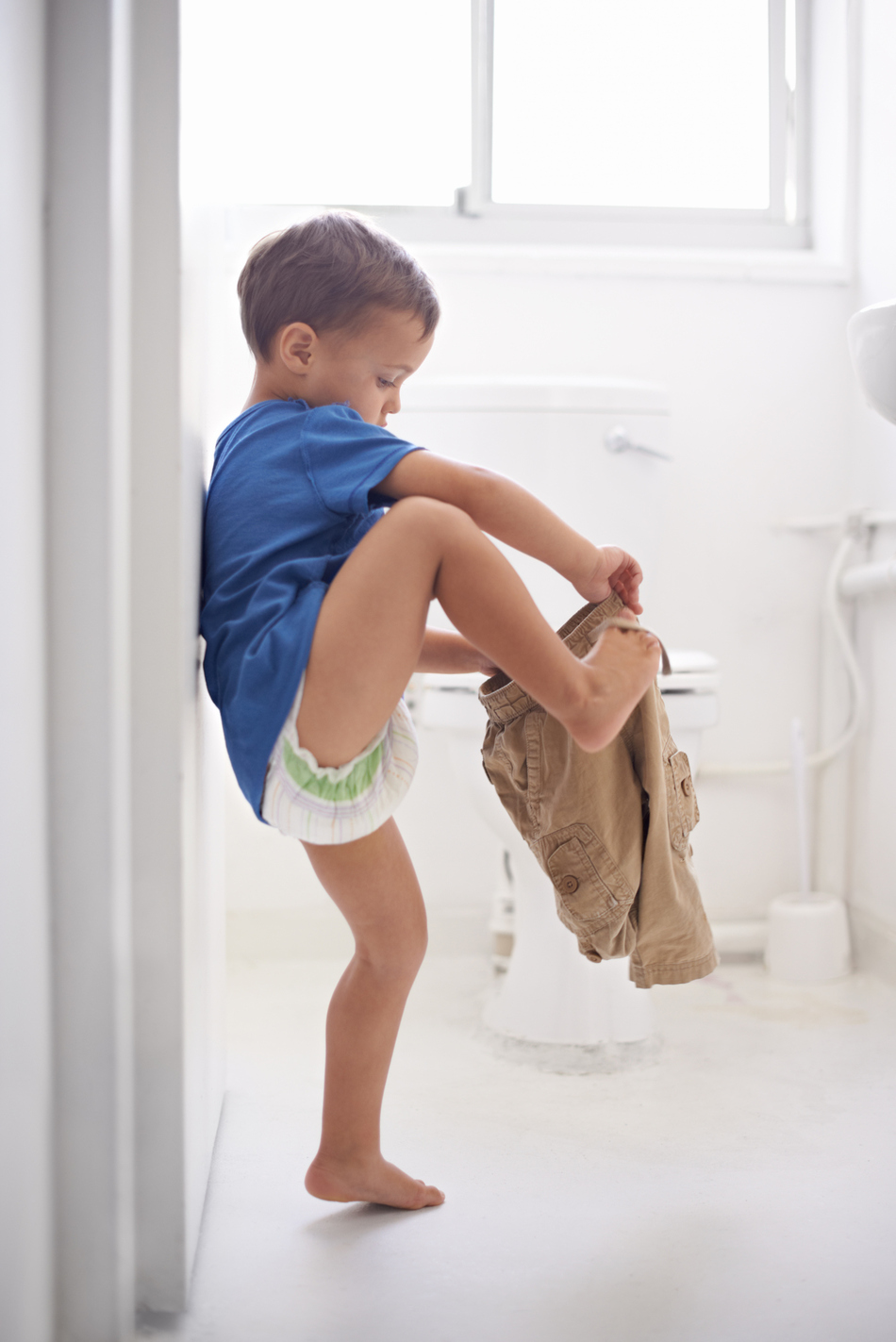
Dr. Gellner: Many parents ask when is the time to worry about their child still being in diapers. I'll discuss toilet training delays on today's Scope. I'm Dr. Cindy Gellner.
Announcer: Keep your kids healthy and happy. You are now entering the Healthy Kids Zone with Dr. Cindy Gellner on The Scope.
Dr. Gellner: Potty training is one of those rites of passage that parents both fear because of how long it takes and the stress of doing it and also can't wait to do it because it means no more buying diapers. The average age for starting to potty train is anywhere between 18 months and two and a half years. And for some reason, girls usually get it sooner than boys.
As far as when a child starts having toilet-training resistance, most pediatricians agree that if they aren't showing any signs of potty training at age three, then we need to figure out why. The actual age when a child is completely trained is something up for debate. Most do agree that a child should be toilet trained during the day when they go to kindergarten. Some preschools won't even accept a child unless they're potty-trained.
Now, bedwetting is not what we're talking about here. That can happen until the teen years depending on development and genetics. I'm talking about kids who either refuse to potty train and want to wear diapers, or parents who keep putting their child in diapers when they may not need to be because it's easier.
Another thing to consider is what are the current barriers to potty training. Some kids have smaller bladders and they will have more accidents. If this is the case, trying to potty train your child before they are ready will be an effort in futility. Their bodies need to mature. And again, this usually happens before they are ready for kindergarten.
Emotional barriers may be more tricky. Significant changes in your child's life have a huge effect on their behavior in general. Has there been a death in the family, a new baby, a divorce? Stressors like this will often cause a child to revert back to a younger developmental stage when they felt more secure.
Potty training can be frustrating for you and your child, and it often leads to a power struggle, one your child will win. Don't beg or plead with your child. This only gives them more power. Reward systems work better. This sometimes is a short-lived stage, but if it persists, your pediatrician can help refer you and your child for counseling.
If your child is developmentally delayed or autistic, they may be in diapers for years to come, but if your child is otherwise developmentally on track, then they should be toilet trained by school age. If your child is older and ready to start school, then they are old enough to have a conversation about the consequences of not being out of diapers.
Being held back and not able to go to school with their friends or being teased at school for wearing diapers will often help motivate them to potty train quickly. However, if you have any doubts that your child is able to potty train successfully because of a medical reason, be sure to follow up with your child's pediatrician. We may need to refer them to a specialist for help.
Announcer: Have a question about a medical procedure, want to learn more about a health condition? With over 2,000 interviews with our physicians and specialists, there's a pretty good chance you'll find what you want to know. Check it out at thescoperadio.com.
Learn More From Our Specialists

The Basics: Your Daughter's Painful Urination
Is your young daughter complaining about painful urination when using the bathroom? Learn about the most common causes of pain or irritation in the vagina or vulva, how to prevent them, and treatment options.

What Kind of Burn Is It, and Does My Kid Need the ER?
Learn the differences between chemical, electrical, and thermal burns in kids, and why first-degree burns can be managed at home while third-degree burns should always be treated as a medical emergency.

A First Aid Guide to Playground Injuries
Playgrounds equal fun, but also falls, scrapes, and the occasional broken bone. Learn which common playground injuries need a Band-Aid versus a trip to urgent care or the pediatric emergency room.

What Parents Need to Know About Constipation in Kids
Constipation is one of the most common concerns parents bring to their pediatrician. Learn about the causes of constipation in kids and practical tips to help your child have softer, more comfortable bowel movements.

Managing Asthma in Children
Asthma can be a daunting diagnosis for parents, but it can be managed effectively with the right knowledge and tools. Learn how to recognize asthma symptoms, the importance of treatment adherence, and strategies to prevent exacerbations.

How to Tell Common Childhood Rashes Apart
Measles is just one of many childhood rashes that can look alarming. Learn about the most common viral rashes in kids—from measles and chickenpox to scarlet fever, roseola, and hand, foot, and mouth disease.


More Answers to Your Questions on Keeping Your Kid Healthy and Happy
Latest trends and issues in children's health with pediatrician Dr. Cindy Gellner.
