
What Is Cancer Screening?
Some types of cancer can be found before they cause symptoms. Checking for cancer or for conditions that may lead to cancer is called screening. Screening is usually done when you are healthy and helps find cancer early, when it is easier to treat. Cancer screenings by health insurance and are covered under the Affordable Care Act. In addition to cancer screenings, you can take action to lower your chances of getting cancer. This includes making healthy lifestyle choices. Learn more about cancer prevention.
Which Cancer Screening is Right for Me?
Talk to your doctor about what cancer screenings are right for you, based on the following:
- Your sex
- Your age
- Your family history
- Your smoking history
View our cancer screening guidelines card.
Cancer Screening Vouchers
Huntsman Cancer Institute and University of Utah Health are committed to helping those who have low incomes and limited or no insurance coverage gain access to timely screenings for breast, cervical, colorectal, and lung cancers.
Cancer Screening Guidelines
Breast Cancer Screening
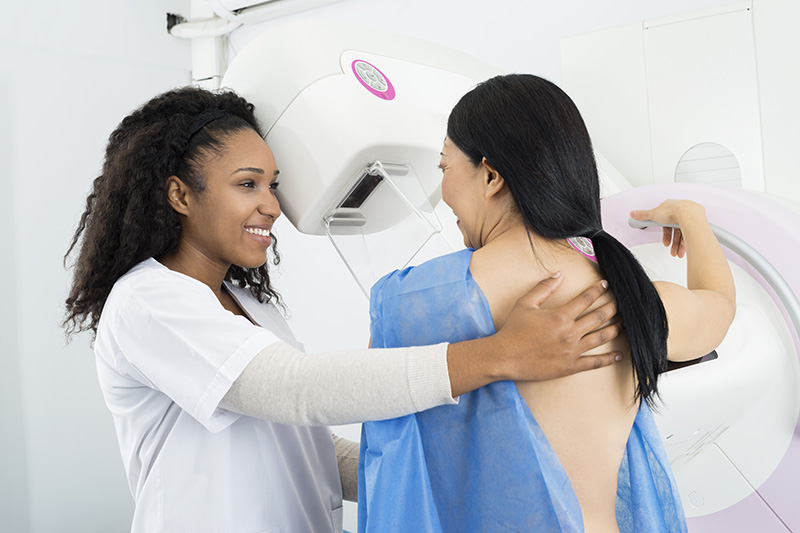
- Age 20 to 39: Clinical breast exam every year
- Age 40+: Clinical breast exam every year and mammogram every year
View our breast cancer screening brochure.
Call 801-581-5496 to schedule an appointment.
Cervical Cancer Screening

- Age 21 to 29: Pap test every three years
- Age 30+: Pap test every three years or a Pap/HPV (human papilloma virus) cotest every five years
View our cervical cancer screening brochure.
Call 801-213-2995 to schedule an appointment.
Colon & Rectal Cancer Screening

- Age 45+: Colonoscopy every 10 years or stool-based test (FIT or FOBT) every year
View our colon & rectal cancer screening brochure.
Call 801-213-9797 to schedule an appointment.
Head & Neck Cancer Screening
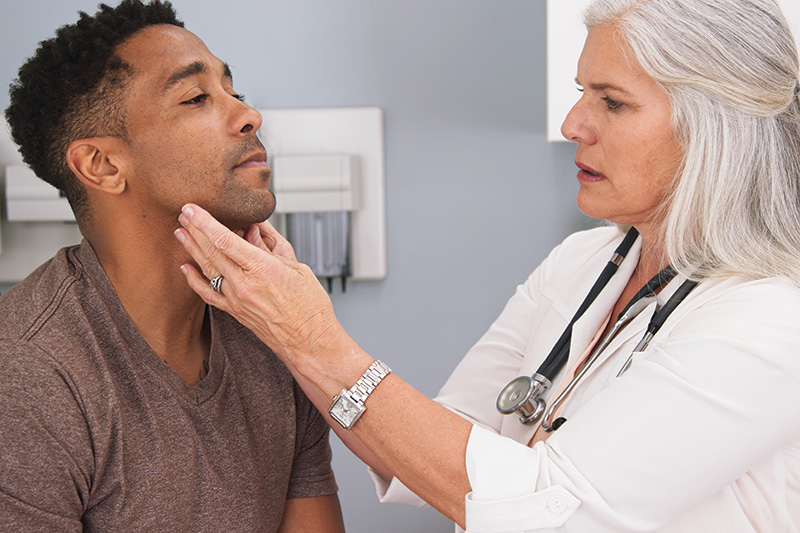
- Age 18+: Talk to your doctor about screening for cancers of the head, neck, mouth, throat, thyroid, and sinus.
View our head and neck cancer screening brochure.
Lung Cancer Screening
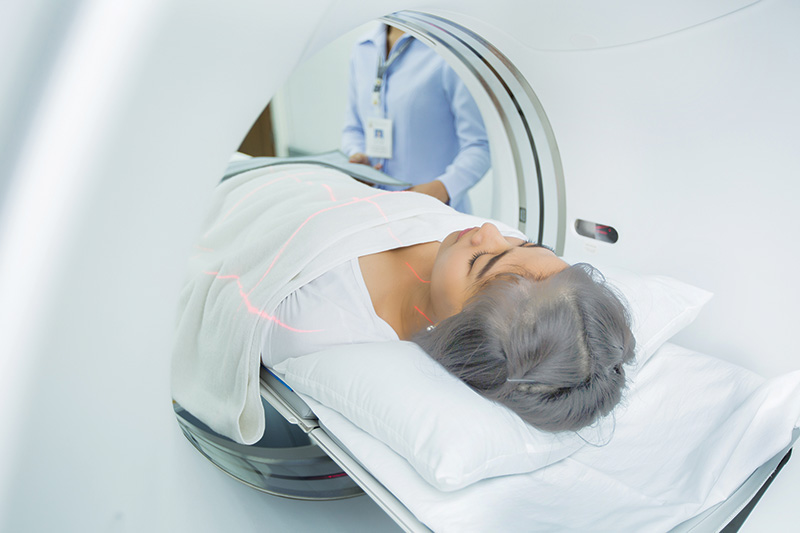
- Current and Former Smokers Age 50+: Low-dose CT Scan every year if you smoke now or have quit within the past 15 years and have a history of heavy smoking (for example, an average of one pack of cigarettes a day for 20 years)
View our lung cancer screening brochure.
Call 801-581-7840 to schedule an appointment.
Prostate Cancer Screening

- Age 45+: Talk to your doctor about the benefits and risks of screening, including the digital rectal exam (DRE) and prostate-specific antigen blood test. For men at high risk, including those with a family history and African American men, prostate cancer screening should start at an earlier age.
View our prostate cancer screening brochure.
Skin Cancer Screening

- Age 18+: Talk to your doctor about screening. People with many moles may benefit from mole mapping, when a dermatologist uses digital photos to track changes in the skin over time.
View our skin cancer screening brochure.
Call 801-581-2955 to schedule an appointment.


