
Recommended Equipment
Adaptive equipment is not required after your total joint replacement, but it may make your recovery easier and safer. Your doctor and physical therapist can recommend the equipment best suited for your needs. This equipment is not typically covered by insurance, and it will be up to you to purchase them.
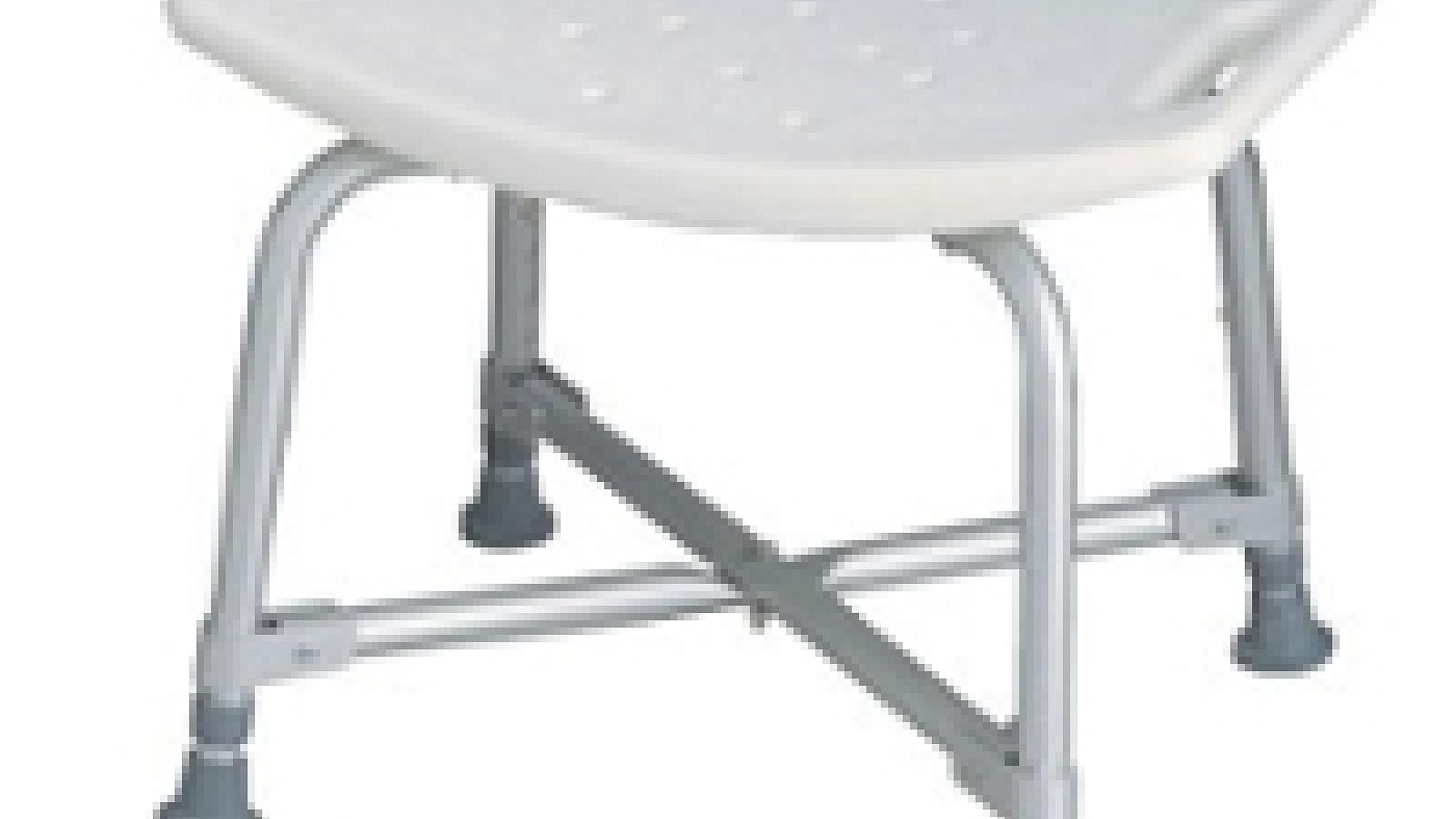
Seat/Shower Bench
This seat allows you to sit while bathing and provides safety while in the shower.
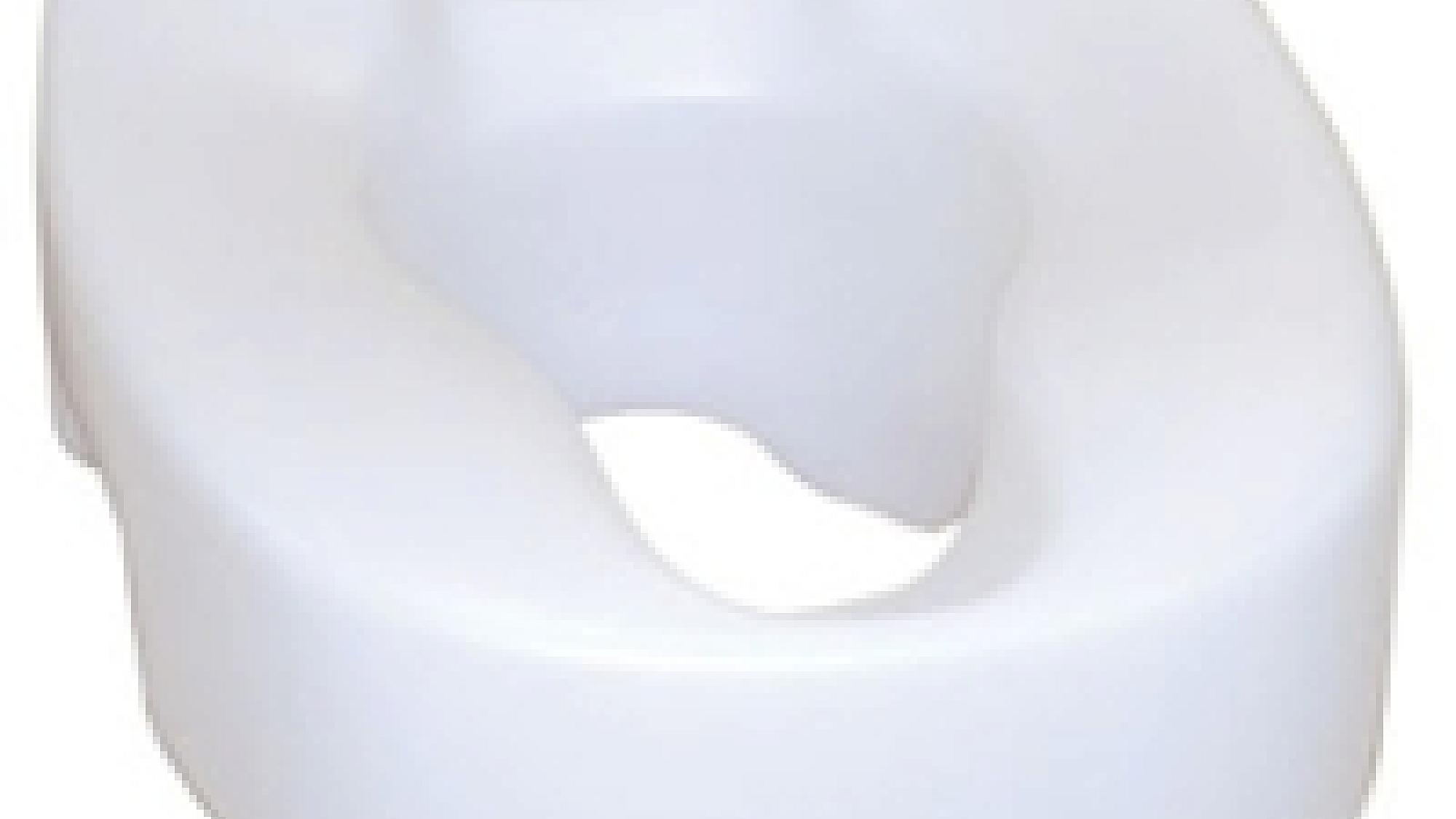
Elevated Toilet Seat
This device is attached to your toilet seat to elevate its height.
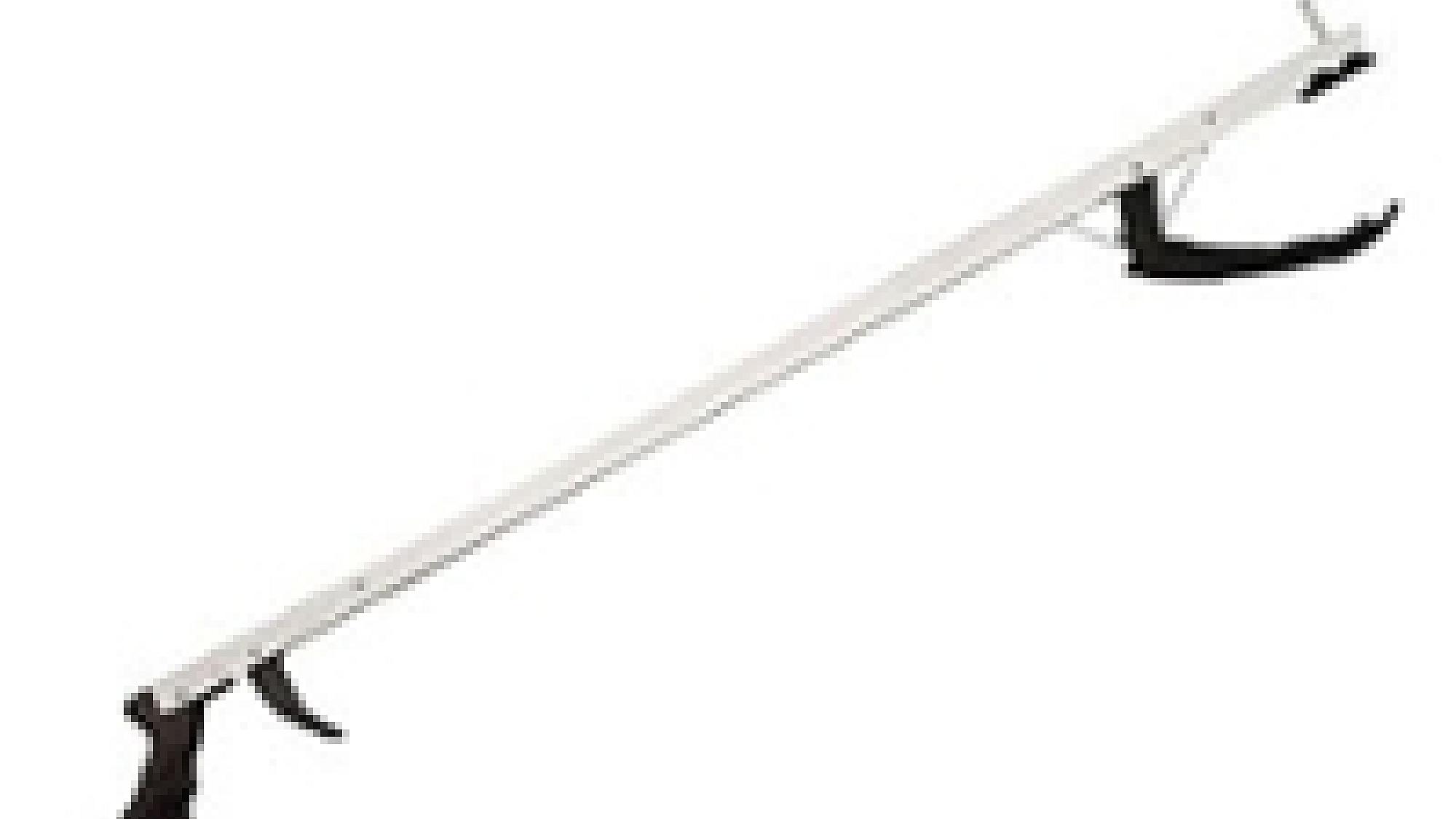
Reacher/Grabber
A reacher is used to pick up items off the floor and help you get dressed.
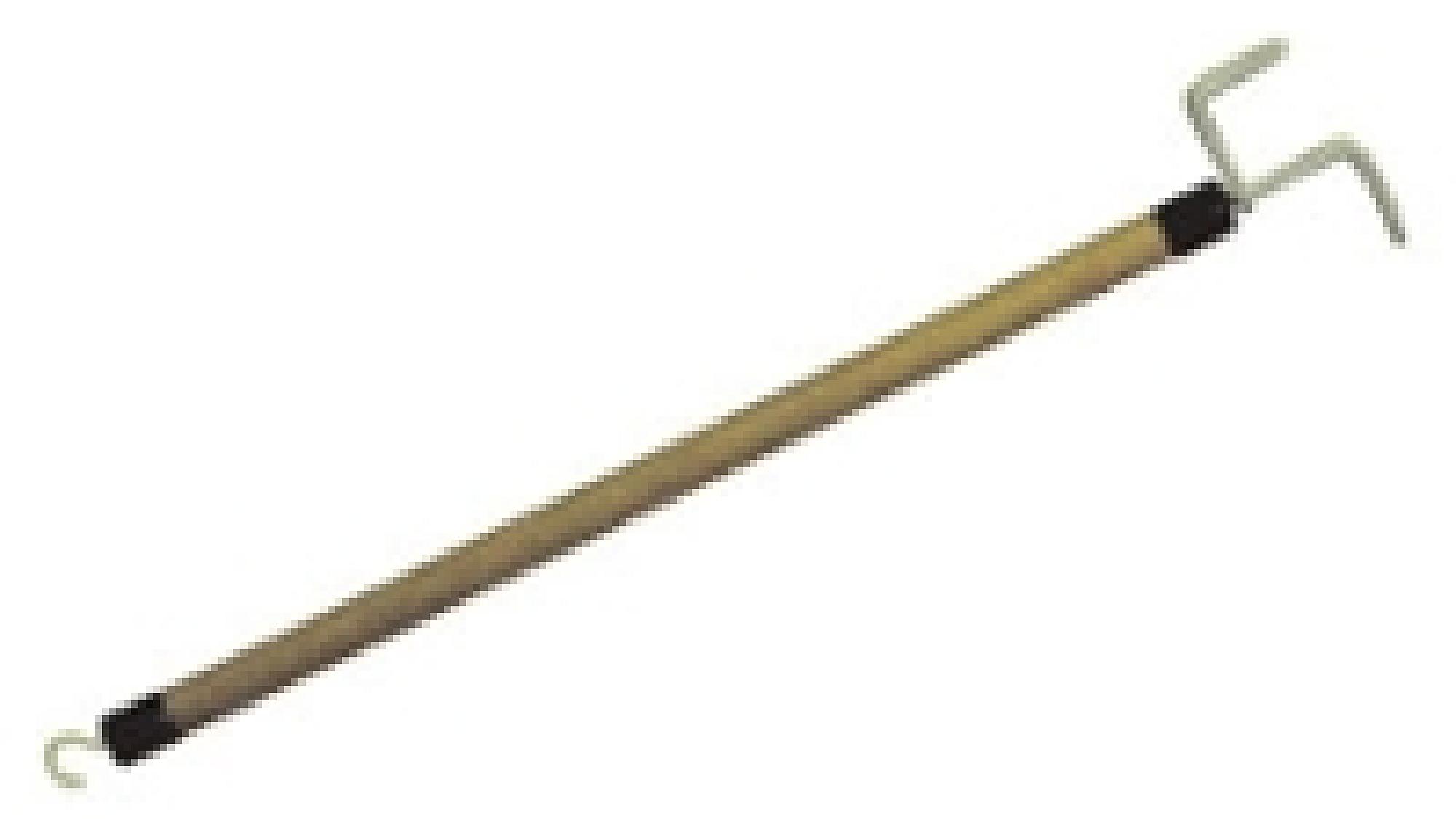
Dressing Stick
This device has a hook on one end and a pusher on the other end. It is used to help put on pants, skirts, and pull up zippers.
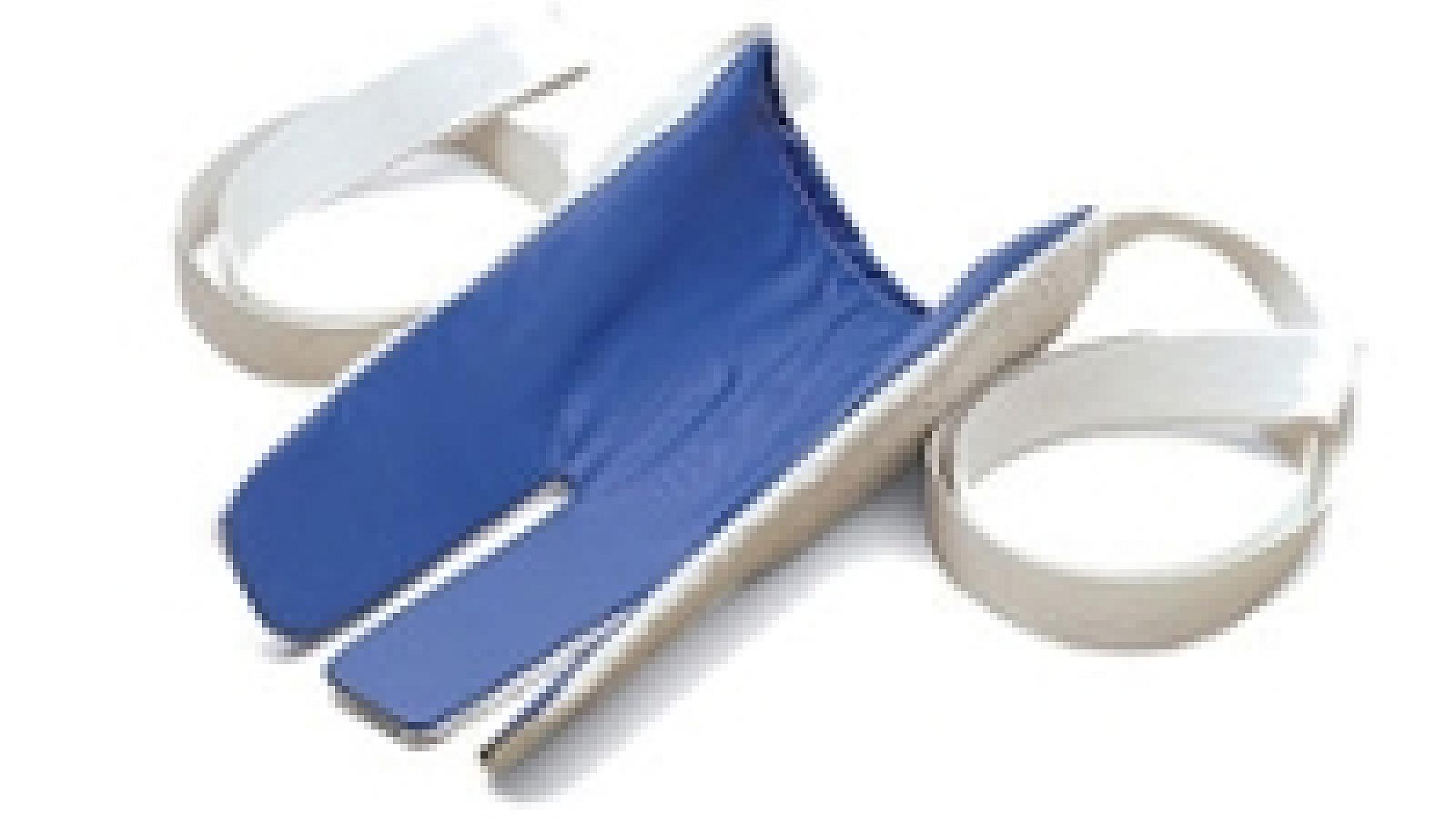
Sock Aid
This aid helps you safely put on your sock.
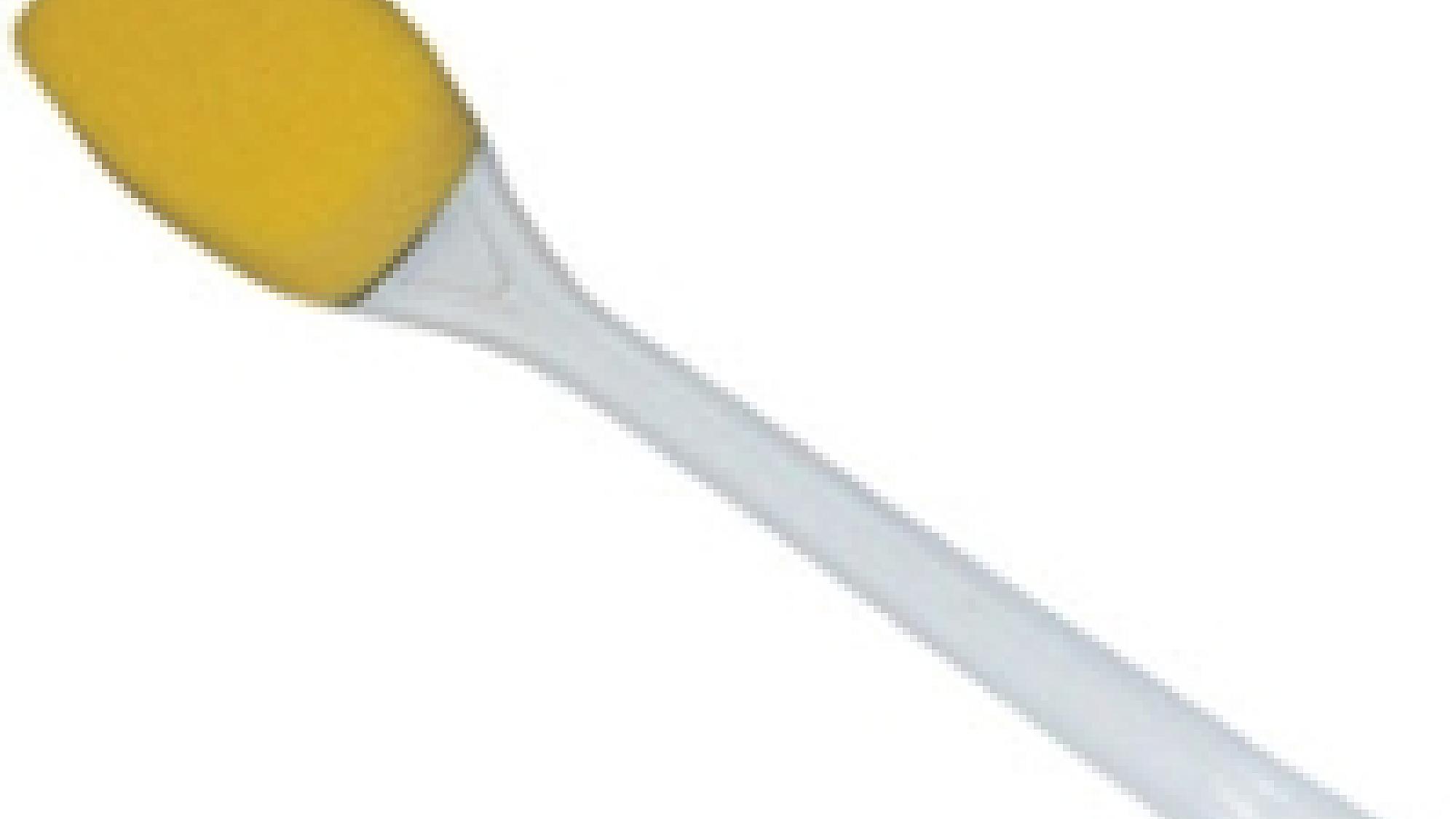
Long-Handled Bath Sponge
This sponge helps you clean hard-to-reach areas while bathing.
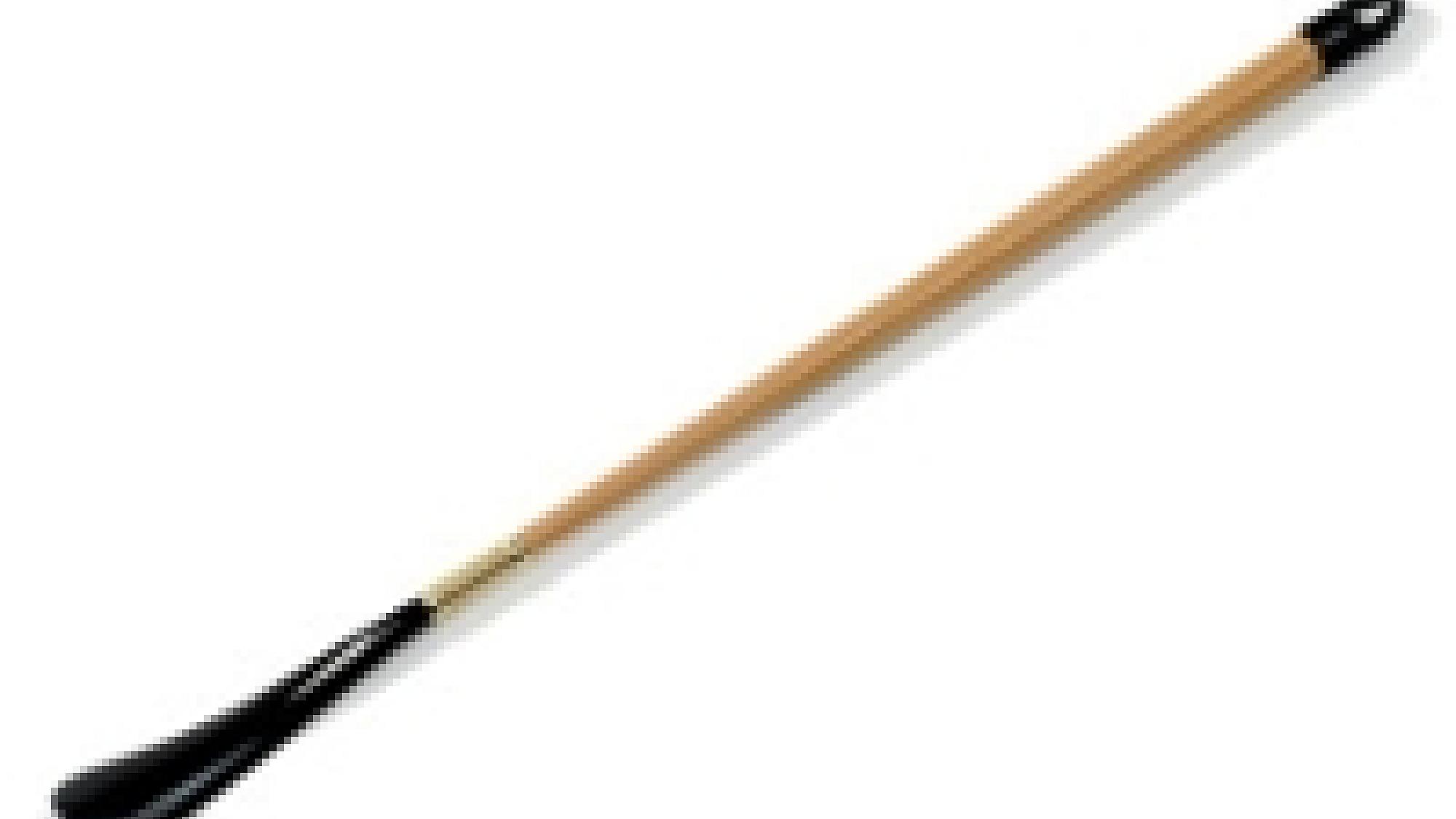
Long-Handled Shoe Horn
This shoehorn is attached to a long stick and allows you to put on shoes while sitting or standing.
Seat Cushion
Cushions are used to elevate the seat height of a chair, couch, car, or other surface.
Grab Bars
Installing grab bars in the shower/tub and near the toilet can improve independence and safety. (We do not recommend suction cup grab bars.)