This content was originally produced for audio. Certain elements such as tone, sound effects, and music, may not fully capture the intended experience in textual representation. Therefore, the following transcription has been modified for clarity. We recognize not everyone can access the audio podcast. However, for those who can, we encourage subscribing and listening to the original content for a more engaging and immersive experience.
All thoughts and opinions expressed by hosts and guests are their own and do not necessarily reflect the views held by the institutions with which they are affiliated.
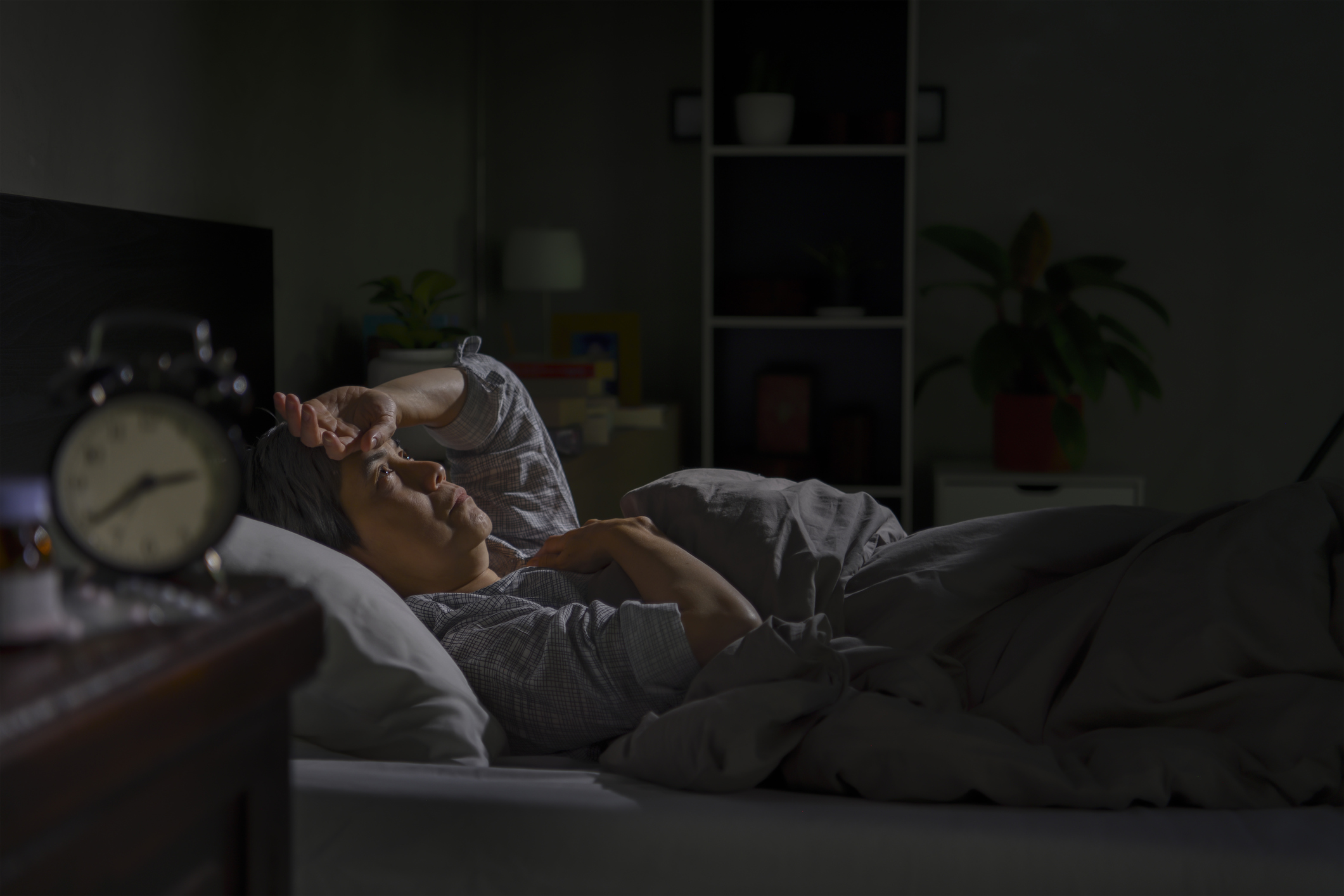
So it takes you a long time to go to sleep. Now, the first question is, is it really hours, or does it just feel like hours?
So the average time to get to sleep is about half an hour if you're sleepy and you're going to bed on time. We all know that there are times in our lives when we really didn't want to go to sleep and someone sent us to bed, and it wasn't our time yet. So the first question is: Is it your chronotype? Are you fighting your chronotype?
Finding Your Chronotype
So what's a chronotype? People are morning people or evening people, and some people are very morning people and some very evening people. So let's pick the very evening people who feel like they're the very most productive at 10 o'clock at night, and they start getting sleepy about 1:00. If you make them go to bed at 10:00, they won't feel sleepy, and it may take them hours to go to sleep. All adolescents are, by development, night people. So you want your teen to go to sleep at 9:30 or 10:00 to get their 8 or 9 hours of sleep so they can get up at 6 o'clock and walk the dog and go to high school. Well, all over the world, teenagers are owners of the night, and they sleep in the shade. So, if you are a night person by virtue of your age, an adolescent, or by virtue of your chronotype, and you are going to bed at 10:00 because you know you have to get up at 6:00, but normally you're not sleepy until 1:00, it would be normal for you not to feel sleepy.
Number two would be you've got something on your mind. All of us have had times when we can't go to sleep because we're so worried. We're worried about a loved one. We're excited about a trip. We're worried about ourselves. We're not feeling very well. That's appropriate.
What about those people who are feeling tired and exhausted, and they're not sleeping very well, and they can't go to sleep? Are these people what sleep doctors call primary insomniacs? Meaning they have a hard time going to sleep, and they have a hard time sustaining sleep, and they've been that way most of their lives. That isn't considered normal. These are not people for whom sleeping pills are the right answer.
Why Sleeping Pills Aren't Always Appropriate
So the question is: If you're taking hours to fall asleep, should you take sleeping pills? And the answer mostly is no.
If you're a chronic insomniac, should you take sleeping pills to help you sleep? And the answer is no, because number one, they can be physically addictive. Number two, they're psychologically addictive, meaning, I [don't want] my sleeping pill and I'll never go to sleep last night. And you start getting upset about your sleep. And sleep is the one thing that the harder you work on it, the less likely you are to be successful.
So many of the sleeping pills that you get from your doctor are actually drugs that belong to the valium or benzodiazepine family, and they do relax you and make your eyes close, but they don't always make normal sleep. Sleep is a very active process where you're laying down the best and most important memories of the day, and sleeping pills can interfere with that.
The Healthy Way to Get Some Sleep
So for the chronic insomniac, the answer is not sleeping pills, but cognitive behavioral therapy for insomnia, CBTI. So there are good ways and good people who can help you work your way through what might be a lifelong habit of insomnia. That's where a sleep center and a cognitive behavioral therapist can help you reshift your work so that you can sleep better. But I don't think sleeping pills are the right answer.
updated: June 22, 2023
originally published: January 8, 2015
More Answers and Resources for Your Women’s Health Concerns


