This content was originally produced for audio. Certain elements such as tone, sound effects, and music, may not fully capture the intended experience in textual representation. Therefore, the following transcription has been modified for clarity. We recognize not everyone can access the audio podcast. However, for those who can, we encourage subscribing and listening to the original content for a more engaging and immersive experience.
All thoughts and opinions expressed by hosts and guests are their own and do not necessarily reflect the views held by the institutions with which they are affiliated.
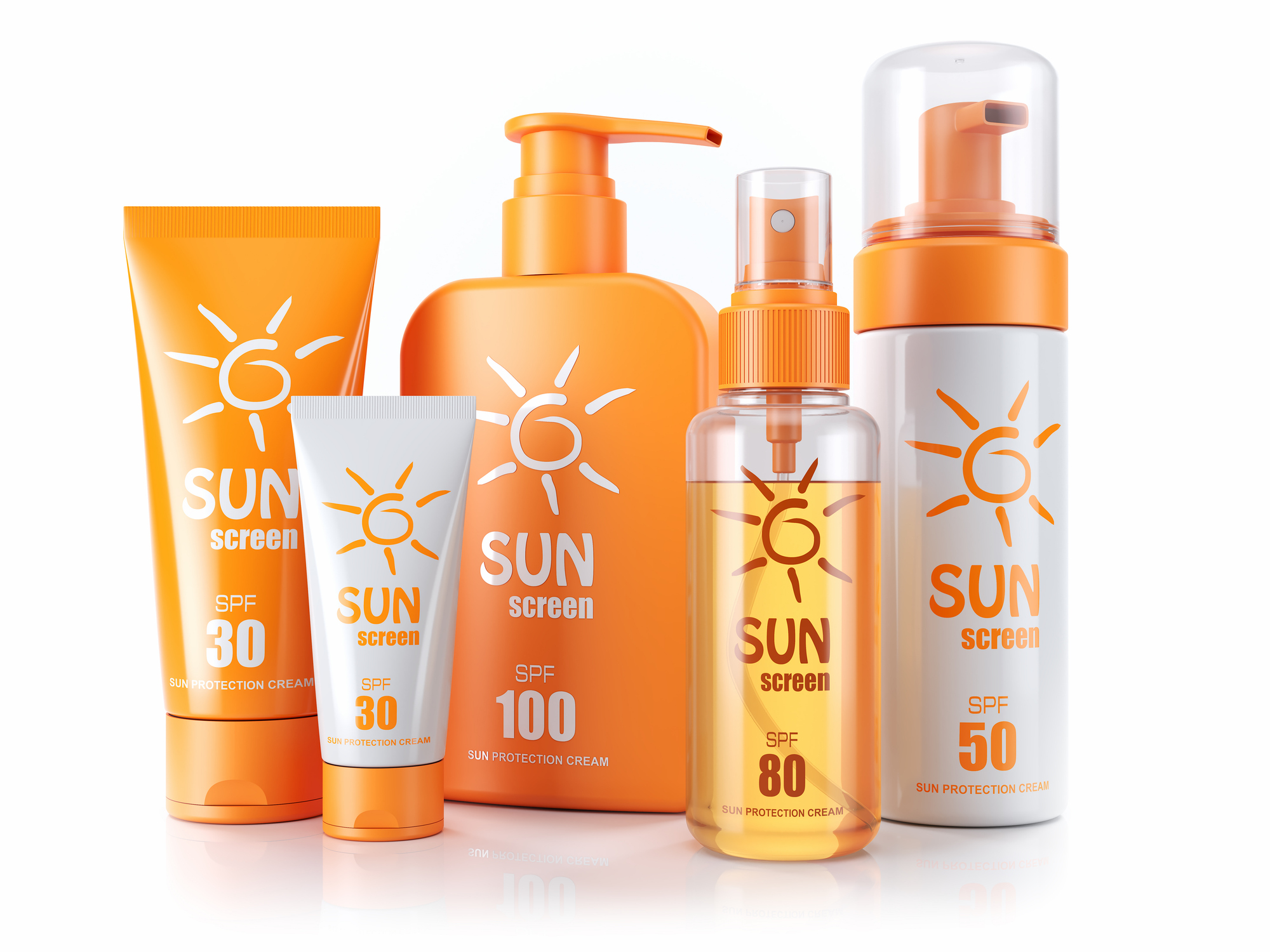
Interviewer: Every time you buy a bottle of sunscreen, you get an SPF protection factor, but have you ever stopped to think, what does that number actually mean? What is SPF? Have you heard about the trend to move away from SPF as a way of rating how effective sun creams are? We'll discuss all that next on The Scope.
Dr. Doug Grossman, at Huntsman Cancer Institute. SPF In sunscreen, what exactly does SPF stand for?
What Does SPF (Sunburn Protection Factor) Mean?
Dr. Grossman: SPF is Sunburn Protection Factor, what this indicates is how much longer you can stay out in the sun, and not get burned.
Interviewer: So what does the number mean then? Is that like...?
Dr. Grossman: Well, for instance, if something is a SPF 30 that means that, if normally you will get burned in one hour in the sun, you can potentially stay out for 30 hours, wearing that product.
Interviewer: Oh, really? Is that for real? It seems...
Dr. Grossman: And get the same amount of sun exposure.
Interviewer: That seems pretty crazy that you can actually stay out without applying for 30 hours.
Practicality and Limitations of SPF in Sunscreen Use
Dr. Grossman: The problem is that these numbers come from a specific type of testing that's done under controlled circumstances. In reality, I don't think you really could stay out that long.
Interviewer: Sure, sure. But if I am put on an SPF of 30, I could stay out for a couple of hours, fairly confidently, I would think.
Dr. Grossman: Well, again this relates to sunburn protection, a product can protect you against sunburn but still allow other UV rays to come through and cause these other types of damage, that we know are important for skin cancer. So the SPF again just relates to the sunburn protection factor and so you can still be outside and not get a sunburn but still be getting that exposure that can be damaging later.
Choosing Effective Sunscreen
Interviewer: So, if you are wearing sunscreen, you have mentioned earlier that there are two different types, there's a chemical and a mineral and the mineral is better. What SPF would you recommend?
Dr. Grossman: So what I tell patients is the SPF factor does not really matter. What's important is to have those active ingredients and if you have zinc or titanium, one of these minerals in the product, it's going to work much better, and you almost don't have to reapply it, unless you are really getting wet and toweling it off.
Interviewer: So the SPF, is not as important as the ingredients.
Dr. Grossman: Right, in my opinion. Actually, there will be new guidelines coming out from the FDA that minimize the number, the SPF number, and stress more the quality of the product.
Interviewer: Well, that's interesting.
updated: June 4, 2024
originally published: August 19, 2014