As much as we parents would like, we can't bubblewrap our kids. There are several times in the child's life when parents are going to be very concerned about the effects of their immediate environment on their health.
Fact: Newborns Can Go Outside
Parents often think that newborns are fragile and shouldn't be taken out of the house for several weeks. That's a myth. You will have a serious case of cabin fever if you do that.
Unless your child has special health care needs, go ahead, and take them out into the world. There are actually more germs inside a house than outside, and the good thing is, that babies have the bonus of antibodies from their mom they got before they were even born. Obviously, you'll want to keep them away from huge crowds where they could be sneezed or coughed on and away from other kids who are sick.
Fact: Sick Kids Do Not Need to Bedrest Until 100% Healthy
Speaking of sick kids, if you've got one, the hard and fast rule is that they need to be confined to bed until they're 100% better, right? Wrong. If they really don't feel good, they're going to want to rest, of course, because they're tired and their bodies are trying to heal. However, if they just have a cold, they're not crying in pain and they've got the energy and they're bored of lying around, let them get up and play. Studies show that being active while sick may actually help them recover more quickly.
Fact: Cold Weather Does Not Make Your Child Sick
I can't tell you how many times I've heard from parents, "My child got sick because the weather changed. It got colder. He went out into the rain. He didn't wear a hat or a coat." This is one big old wives tale that keeps getting passed down despite it being far from the truth.
The only thing your child will get if they go out in the rain is wet. The only thing they will get if they go out without a hat or a coat is cold. They won't get sick. Cold symptoms are caused by viruses, not weather changes. There is something called vasomotor rhinitis and that's when your nose runs if it's cold outside. But that's your child's body's response to the cold temperature and it goes away when your child comes inside for a bit. It has nothing to do with the respiratory viruses that cause days of runny noses. Your child's immune system will work no matter what the weather is like.
Fact: Playing in the Dirt Will Not Make Your Child Sick
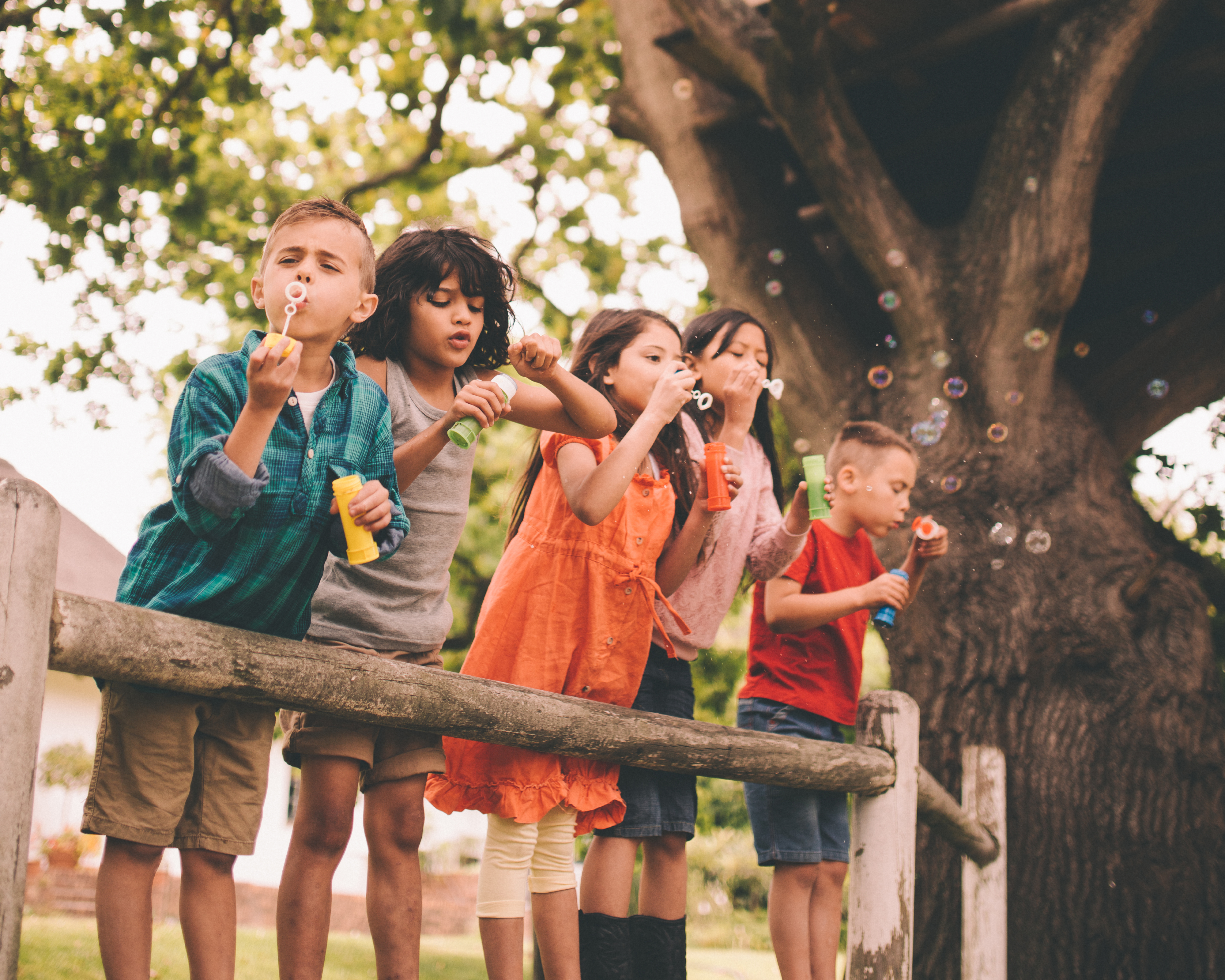
Finally, everyone worries that their child will get sick if they play in the dirt or if their home isn't "Good Housekeeping" sparkling clean. Actually, the opposite is true. The hygiene theory tells us that little kids who are exposed to dirt, other kids whether they are older siblings or daycare friends, and even animal dander seem to have stronger immune systems as they grow up. They have fewer allergies and asthma and even a lower risk of autoimmune diseases like multiple sclerosis when they're adults. So yeah, we don't want kids to go without baths for days on end, but a little dirt, some playmates, and even a furry friend can actually help your child stay healthy in the long run.
updated: November 6, 2023
originally published: November 6, 2017

When Does Your Child Really Need Lab Work?
Parents often ask about blood tests during routine pediatric visits, but pediatrician Cindy Gellner, MD, clarifies that healthy children rarely need them. She shares some of the criteria for screenings in young patients and how insurance factors into decision-making.

What to Do When Your Baby Sounds Congested
Newborns cannot blow their noses, and they are not great at breathing through their mouths either—so even a little mucus can sound dramatic. Pediatrician Cindy Gellner, MD, shares what is normal when it comes to newborn sneezing and snorting, how to use saline and suction safely, and when to check in with your pediatrician.

Understanding Childhood Mood Disorders Beyond Bipolar
Is your child often irritable or prone to temper outbursts? Pediatrician Cindy Gellner, MD, clarifies the distinctions between bipolar disorder and Disruptive Mood Dysregulation Disorder (DMDD), emphasizing the importance of accurate diagnosis in childhood mood disorders.


More Answers to Your Questions on Keeping Your Kid Healthy and Happy
Latest trends and issues in children's health on the Healthy Kids Zone with Dr. Cindy Gellner
