This content was originally produced for audio. Certain elements such as tone, sound effects, and music, may not fully capture the intended experience in textual representation. Therefore, the following transcription has been modified for clarity. We recognize not everyone can access the audio podcast. However, for those who can, we encourage subscribing and listening to the original content for a more engaging and immersive experience.
All thoughts and opinions expressed by hosts and guests are their own and do not necessarily reflect the views held by the institutions with which they are affiliated.
How many times have you been told, "Don't do that or your baby will have some horrible problem"? As a pediatrician, whenever a conversation starts with, "My grandmother told me," we know there's a good chance that an old wives' tale is the next part of the sentence. Yes, sometimes, we cringe or giggle or roll our eyes. That's because old wives' tales are just that: old. Old knowledge. It's oral tradition dating way back before Dr. Google. But with all our medical knowledge now, why do some people still cling to these stories? Some probably have survived through the ages because they offer comforting advice about the experiences we all share, have little control over, and usually worry about—especially when it comes to kids.
Fact: Wearing Shoes Do Not Help Babies Walk Sooner
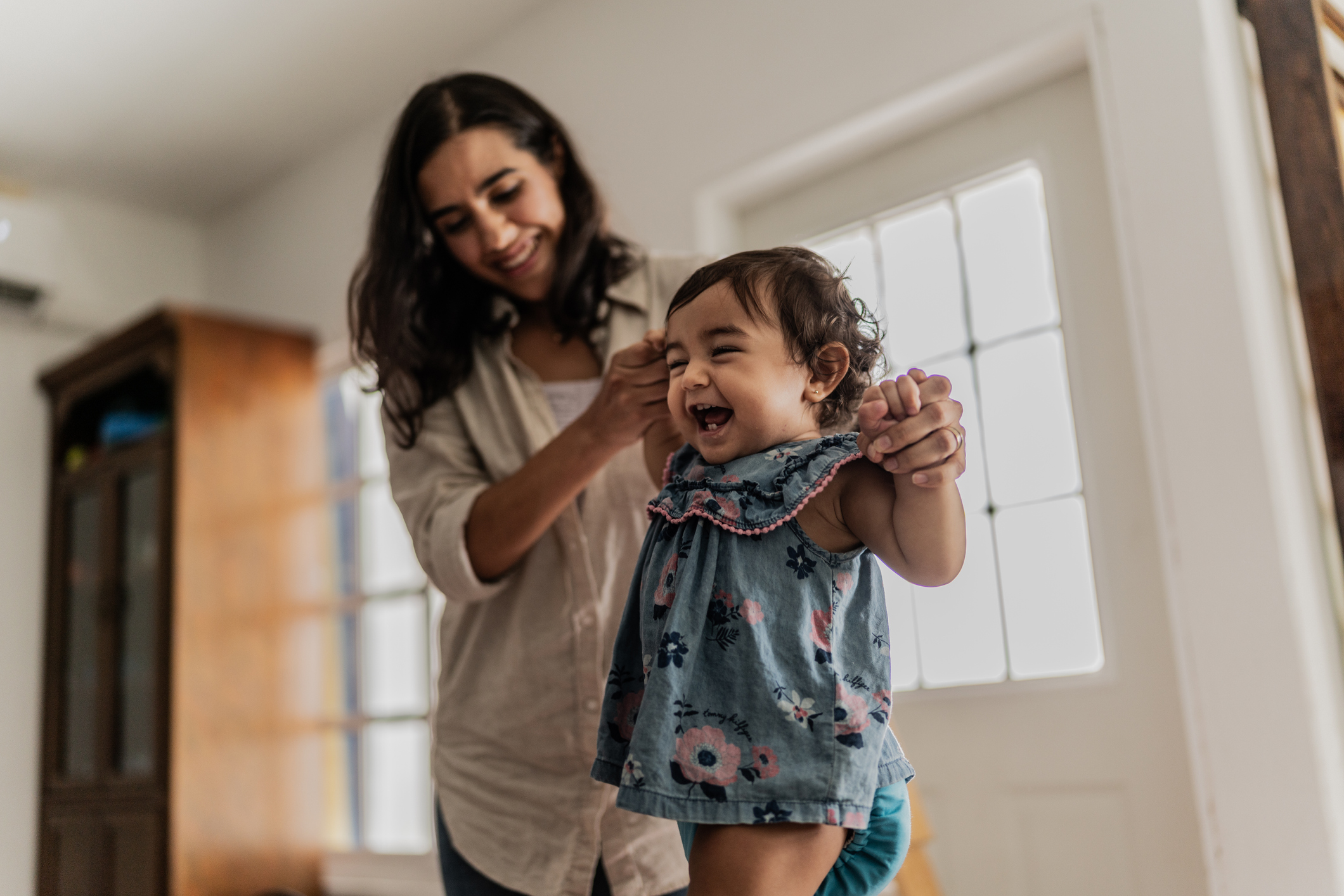
The first old wives' tale: wearing shoes will help a baby to walk sooner. Wrong. The opposite is true in this case. Keeping the baby barefoot can actually help to strengthen the foot muscles and help your child learn to walk earlier.
For those learning how to be mobile, I like the soft-soled shoes that are kind of like moccasins. They're functional yet fashionable. For those crazy and fast toddlers who are walking and running, they need comfortable shoes that fit well. They shouldn't be too rigid. Don't go out and buy expensive designer shoes either. Your little one will outgrow those in weeks. Shoes should conform to the shape of the child's feet, but still provide a little extra room for growth.
Fact: Walkers Do Not Help Babies Walk Sooner
"A walker will help the baby learn to walk sooner." Again, not true. Those babies who are plopped down in a walker actually learn to sit, crawl, and walk later than kids who have to learn these skills on their own if they want to get around.
More importantly, baby walkers are dangerous. Nearly 14,000 injuries are treated in emergency rooms every year as a result of walkers and 34 children have died since 1973 because of baby walkers. I have seen kids who were in walkers who got too close to the stairs and down will go baby, walker and all. It's usually not a good outcome. The American Academy of Pediatrics actually recommended a ban on mobile infant walkers in the United States. I tell parents if they want something like this for their baby to keep them entertained and contained, use an ExerSaucer.
Fact: Thumb Sucking After Age 5 Can Cause Buck Teeth
"Thumb sucking causes buck teeth." True and false. Thumb sucking often begins before birth and generally continues until age five. If your child stops before the age of four, their teeth should be okay. If they continue after age five, when the gum, jaws, and permanent teeth begin their most significant growth, that's when kids get buck teeth. Usually, elementary school peer pressure helps stop this habit.
Fact: Teething Does Not Cause Lower Resistance to Infections
Finally, the one I hear most of all is, "Teething causes a fever, runny nose, and diarrhea." Big false. Teething does not cause any of those. It doesn't cause a fever, sleep problems, diarrhea, diaper rash, or lowered resistance to any infection. It probably doesn't cause that much crying either. If your baby develops a fever while teething, the fever is caused by something else. Most likely a virus, as babies who are teething are building up their immune systems and catching any cold that comes their way.
So next time someone tries to offer you some "helpful advice" about your baby, if it seems odd, ask your pediatrician.
updated: January 29, 2024
originally published: May 30, 2016
More Answers to Your Questions on Keeping Your Kid Healthy and Happy
Latest trends and issues in children's health on the Healthy Kids Zone with Dr. Cindy Gellner


When Does Your Child Really Need Lab Work?
Parents often ask about blood tests during routine pediatric visits, but pediatrician Cindy Gellner, MD, clarifies that healthy children rarely need them. She shares some of the criteria for screenings in young patients and how insurance factors into decision-making.

What to Do When Your Baby Sounds Congested
Newborns cannot blow their noses, and they are not great at breathing through their mouths either—so even a little mucus can sound dramatic. Pediatrician Cindy Gellner, MD, shares what is normal when it comes to newborn sneezing and snorting, how to use saline and suction safely, and when to check in with your pediatrician.

Understanding Childhood Mood Disorders Beyond Bipolar
Is your child often irritable or prone to temper outbursts? Pediatrician Cindy Gellner, MD, clarifies the distinctions between bipolar disorder and Disruptive Mood Dysregulation Disorder (DMDD), emphasizing the importance of accurate diagnosis in childhood mood disorders.


