This content was originally produced for audio. Certain elements such as tone, sound effects, and music, may not fully capture the intended experience in textual representation. Therefore, the following transcription has been modified for clarity. We recognize not everyone can access the audio podcast. However, for those who can, we encourage subscribing and listening to the original content for a more engaging and immersive experience.
All thoughts and opinions expressed by hosts and guests are their own and do not necessarily reflect the views held by the institutions with which they are affiliated.
There has been a serious increase in the number of patients I'm seeing for school phobia, which is basically where kids have vague symptoms, like headaches or stomachaches, or they'll have all-out panic attacks because they don't want to go to school. I'm not sure why there's been an increase just this past school year.
Rising Cases of School Phobia
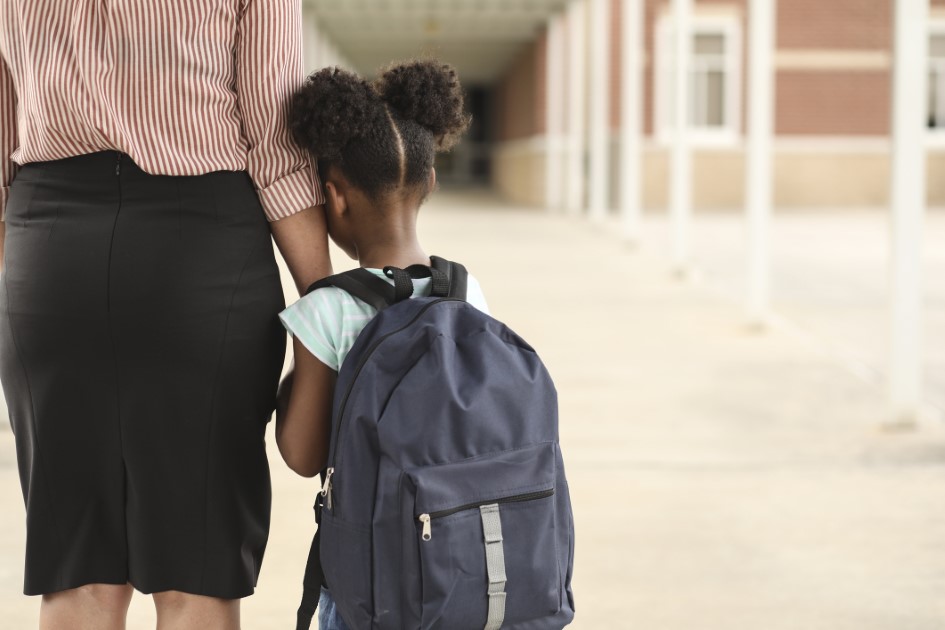
But I'm having up to three kids a week, and they're mostly first-grade girls, where the parents are bringing the kids in for these vague symptoms, and when we start talking more, it seems like their symptoms are on Sunday nights through every day of the week. And they will complain to their teachers that they want to throw up or they have headaches. And the school calls the parents to pick them up. And when they come home, after resting briefly, they're fine. Some kids will cry and scream and even refuse to go to school, and it's a battle to even get them to school.
While parents are relieved to find out that the headaches and stomach pain and other symptoms are not anything scary, that then brings up the question of, "Well, what do we do now?" These symptoms are real. Don't get me wrong. But they aren't due to anything super serious for the majority of the cases.
Identifying School Phobia in Children
Only your pediatrician will be able to help you really rule out anything that's bad. And often, asking for a good, detailed history will help figure out what's going on.
Parents will ask their pediatrician about treatment options. And the diagnosis of school phobia starts with the pediatrician, but the actual treatment doesn't start with the pediatrician. The treatment starts with the parents talking to the school. This is a school attendance problem made worse by the parents picking up the kids whenever they say they don't feel well.
Now, of course, if a child is genuinely sick, they should be picked up. But when it becomes an almost daily issue, that's when we start thinking of school phobia. While parents think they're doing the right thing, what they're doing is reinforcing the behavior of not staying in school because of anxiety. Kids will continue to have these vague symptoms over and over if they know that their parents will come to pick them up and take them home. It's positive reinforcement for a behavior that needs to be stopped.
The first step, once the diagnosis of school phobia is determined, is to have the parents talk to the school. Start with the teacher and also get the school counselor involved. They are the ones who will be able to help the child adjust to the classroom and also reinforce the need to stay in school unless they are truly ill. Most teachers and school counselors are familiar with school phobia and have a lot of skills they can use to help encourage the child to stay in class and make it a positive experience.
When to Involve School Personnel About Your Child's School Phobia
School phobia is a type of anxiety disorder, and so counselors can help teach the child coping skills to use when they start having somatic symptoms, meaning when the child's body starts reacting because of the anxiety, they can learn ways to calm those feelings down and make the headache or stomachache go away. Many schools now have calm rooms or other places where a child can go to gather their thoughts and do some techniques that the counselor can teach them to relax and then go back to class.
If the teacher and counselor are not fully able to help, getting the principal involved can be the next step. I've heard from many parents that the principal will often take the time to check in on the students and make sure they're okay. Also, if the school phobia is due to a bullying situation, the principal can help with that too.
Seeking Professional Help for School Phobia
Finally, if the school is unable to help sufficiently, the child should start seeing a therapist. The hard part is finding one. Many therapists don't see kids until age 7, and there is still a big waiting list for therapists because of the huge increase in anxiety and depressive disorders in kids in the past few years. Therapy is always the next step.
Most pediatricians will not treat with anxiety medications at this age, and therapy is always the first line of treatment for school phobia. If the child's therapist thinks that they may need medications due to the severity of the anxiety, then the therapist should be able to help find a provider who can do medication management at such a young age. Medications for anxiety are really only FDA-approved for ages 12 and up. So it's best to have a mental health provider to determine if medication is needed rather than the pediatrician.
Again, we're not sure why we are seeing such a big increase in school phobia. Some thoughts are that the increase in anxiety disorders in older kids and adults is trickling down to younger and younger age groups. Also, some kids have not ever been away from their parents and have been isolated more than usual due to the pandemic. So school seems like a scary place to them, and they are having separation anxiety.
Whatever the reason, it is something that parents should address as soon as they notice that their child seems anxious to go to school. The sooner it is addressed, the better the outcomes and the better adults can get involved to help kids stay in school.
updated: August 22, 2024
originally published: August 14, 2023
More Answers to Your Questions on Keeping Your Kid Healthy and Happy
Latest trends and issues in children's health on the Healthy Kids Zone with Dr. Cindy Gellner


When Does Your Child Really Need Lab Work?
Parents often ask about blood tests during routine pediatric visits, but pediatrician Cindy Gellner, MD, clarifies that healthy children rarely need them. She shares some of the criteria for screenings in young patients and how insurance factors into decision-making.

What to Do When Your Baby Sounds Congested
Newborns cannot blow their noses, and they are not great at breathing through their mouths either—so even a little mucus can sound dramatic. Pediatrician Cindy Gellner, MD, shares what is normal when it comes to newborn sneezing and snorting, how to use saline and suction safely, and when to check in with your pediatrician.

Understanding Childhood Mood Disorders Beyond Bipolar
Is your child often irritable or prone to temper outbursts? Pediatrician Cindy Gellner, MD, clarifies the distinctions between bipolar disorder and Disruptive Mood Dysregulation Disorder (DMDD), emphasizing the importance of accurate diagnosis in childhood mood disorders.


