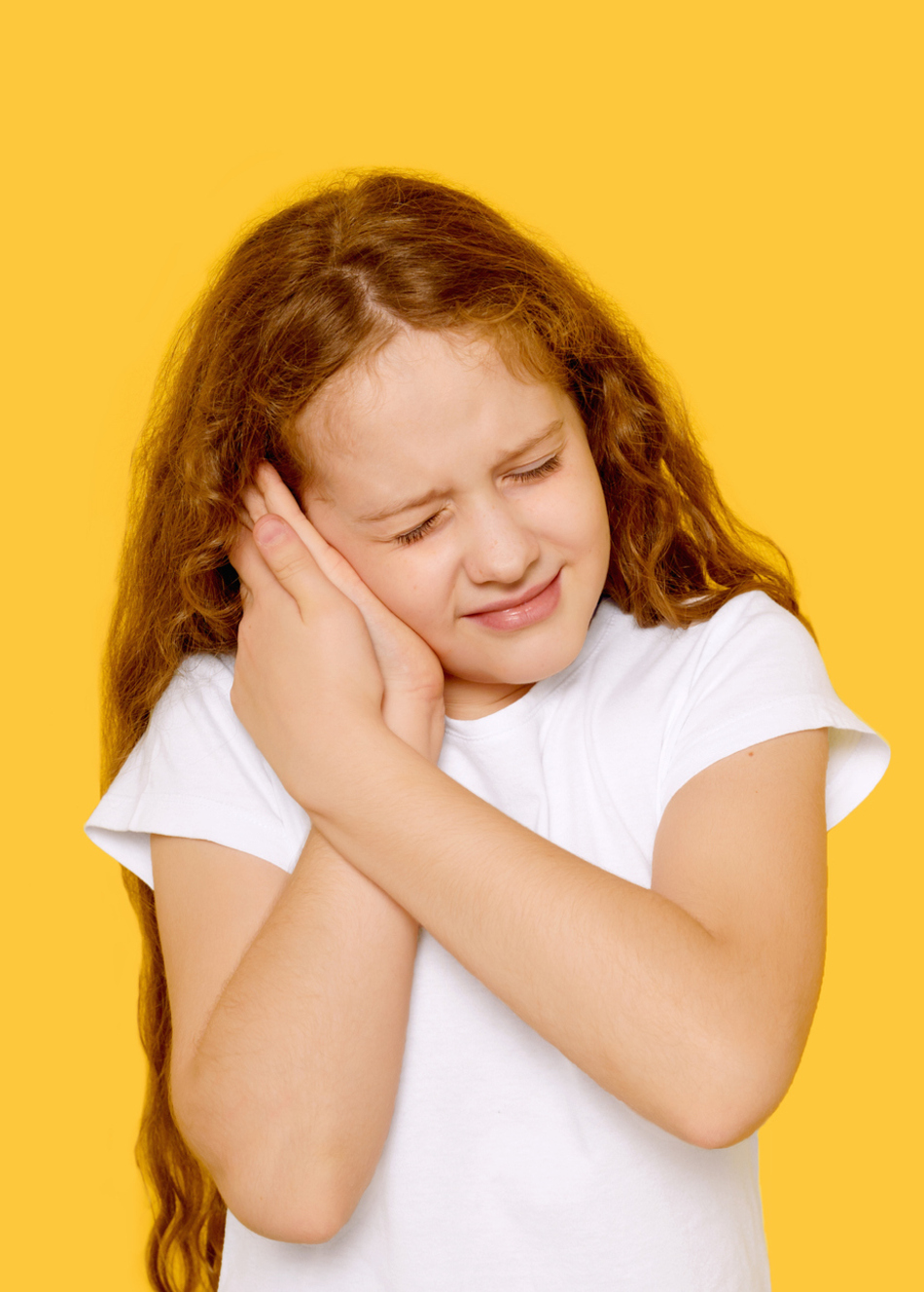
Dr. Gellner: One of the most common reasons a parent brings their children to the pediatrician is because they're concerned their child has an ear infection. I'll talk about the symptoms to watch for and what to do if your child does have one on today's Scope. I'm Doctor Cindy Gellner.
Announcer: Health tips, medical views, research and more for a happier, healthier life. From University of Utah Health Sciences, this is The Scope.
Dr. Gellner: Parents come in all the time saying their child has been pulling on their ear and they know this means they have an ear infection. Well, not so fast. Kids pull on their ears for a lot of reasons, ear infections only being one of them. Other causes are teething, ear pressure from nose congestion or allergies, and because it just plain feels good, especially when kids are tired.
There are a lot of nerve endings in the ear and that's why it's such a popular place for massage therapists and acupuncturists to work on. So other than pulling, your child has no other symptoms. Ear infection? Maybe not. But say your child also has a fever, has had a cold for a while, isn't sleeping like they normally do and are just plain cranky, then it's time to get those ears checked out.
Despite what a lot of people think, going outside in the wind or cold without a hat on won't cause an ear infection. Ear infections happen behind the eardrum, not in front of it where the cold and the wind would hit. An ear infection is caused by bacteria and it's a common complication of a viral cold. Nasal congestion and mucus block off the tube that connects to the middle ear to the back of the throat. That's the Eustachian tube. And then the ears can't drain properly if that's blocked. This makes a pool of fluid, which is a great breeding ground for bacteria and, hence, an infection is born.
Sometimes, kids have what are called serous ear infections. That means there's fluid behind but it's not all gross, and this fluid usually goes away in a few months. This type of infection does not need antibiotics.
Kids between six months and two years are most likely to get ear infections, but they're actually pretty common until age eight when the internal anatomy of the ear starts to change and they aren't as prone to infections. Most kids will have at least one ear infection and over 25% of these children will have repeated ear infections. In a small percentage of children, the pressure in the middle ear fills with puss and that causes the eardrum to rupture and drain. It's usually just a small hole, which heals over the next three months.
Now, you find out your child does indeed have an infection, you need to be sure your child takes the antibiotics prescribed by the pediatrician and finish the entire course to make sure all the bacteria is treated. Tylenol and Motrin can also help with pain.
Some people talk about putting warm oil into the ear, but that's not a good idea. If the eardrum bursts, follow up in three weeks to make sure the infection is gone and the eardrum is healing. Ear infections seem like a rite of passage for some kids. I've had parents try looking in their child's ears with a flashlight to see if they have infections. Trust your child's ear exams to the experts. As pediatricians, we get really good at looking in ears and seeing if there truly is an infection or not.
Announcer: thescoperadio.com is University of Utah Health Sciences Radio. If you liked what you heard, be sure to get our latest content by following us on Facebook. Just click on the Facebook icon at thescoperadio.com.

What to Do When Your Baby Sounds Congested
Preparing for the new school year means a lot more than just buying school supplies. Learn how to take action now and prevent a last-minute scramble later to set your child up for a healthy, successful school year.

How to Make School Mornings Easier for You and Your Kids
From forgotten lunches to last-minute outfit debates, school mornings can be challenging. Learn strategies to make them smoother, including setting up backpacks the night before, limiting screen time until after school, and sending kids off with a positive goodbye.

When Does Your Child Really Need Lab Work?
Parents often ask about blood tests during routine pediatric visits, but healthy children rarely need them. Learn more about the focused approach pediatricians take to evaluate your child's health and why it may be different than adult screenings.


More Answers to Your Questions on Keeping Your Kid Healthy and Happy
Latest trends and issues in children's health on the Healthy Kids Zone with Dr. Cindy Gellner
