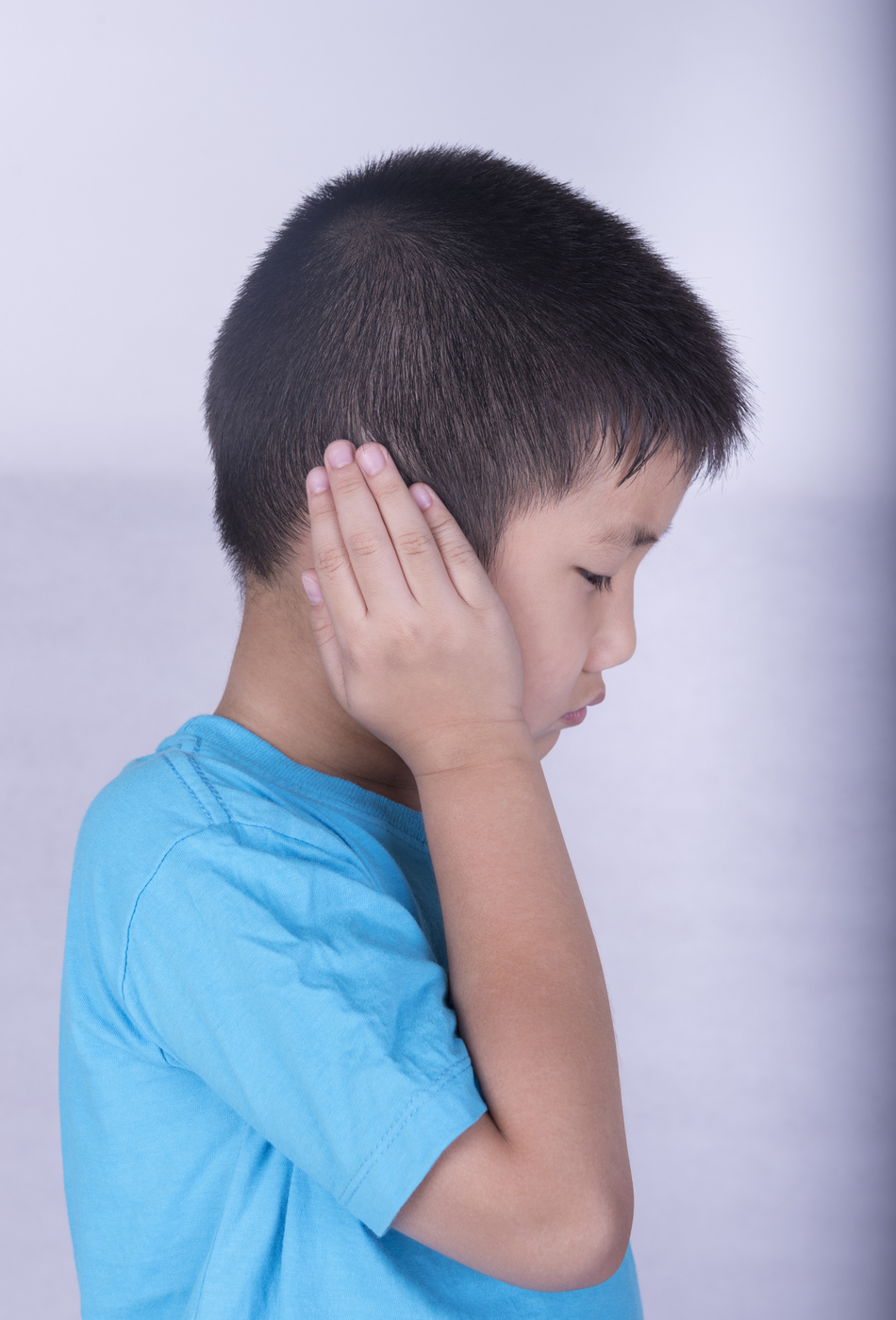
Dr. Gellner: You may think that an injury to your child's outer ear isn't a big deal, and you're probably right, but there are some times when it is a big deal. When should you worry about ear injuries? I'll tell you on today's Scope. I'm Dr. Cindy Gellner.
Announcer: Keep your kids healthy and happy. You are now entering "The Healthy Kids Zone" with Dr. Cindy Gellner, on The Scope.
Dr. Gellner: Most injuries to the outer ear are minor, like small bruises and scratches, and these are easily taken care of. But the large blood supply to the cartilage of the outer ear can lead to problems. If your child's ear is just scratched or scraped, then treat the injury just like any other skin scrape. Wash the injured area with soap and water, make sure the bleeding has stopped, and put over-the-counter antibiotic ointment on it until the injury's healed over.
But the one ear injury pediatricians get very concerned about is called cauliflower ear, and it's seen in boxers and wrestlers, and it happens when the ear cartilage is so badly damaged from a direct blow to the ear that there's a lot of swelling in the ear itself because of blood collecting under the skin. And that's a medical emergency, and your child will need to be seen in the emergency room right away to help reduce the swelling and make sure there's no other ear damage. Your child's ear could be permanently disfigured if action is not taken quickly.
And remember, while outer ear injuries are often minor, inner ear injuries can cause major problems.
Announcer: Want The Scope delivered straight to your inbox? Enter your email address at thescoperadio.com, and click "Sign Me Up" for updates of our latest episodes. The Scope Radio is a production of University of Utah Health Sciences.

Winning the Bedtime Battle: How to Help Kids Sleep Better
Bedtime battles are common, but a consistent sleep routine can make a world of difference. Pediatrician Cindy Gellner, MD, talks about why sleep schedules matter, how to handle common bedtime struggles, and when to seek medical advice for your child's sleep issues.

How to Handle Screen Related Temper Issues in Children
Is your child's screen time causing more tantrums? Pediatrician Cindy Gellner, MD, reveals how excessive digital exposure can lead to emotional challenges in kids.


More Answers to Your Questions on Keeping Your Kid Healthy
Latest trends and issues in children's health on the Healthy Kids Zone with Dr. Cindy Gellner
