Dr. Gellner: You look at your child's hand and see a bump and you know it is a wart. Do you rush to the doctor or can you treat it at home?
Announcer: Keep your kids healthy and happy. You are now entering The Healthy Kids Zone with Dr. Cindy Gellner on The Scope.
What Are Warts?
Dr. Gellner: So warts are raised, round, rough surface growths on the skin. They occur most often on the hands and they're not painful unless they're on the bottom of the foot and that's called a plantar wart. They can also hurt if you child keeps picking at them and they get infected. Unlike a callus, a wart has brown dots in it and has a clear boundary with normal skin around it.
Warts are caused by papillomavirus and are harmless actually. Most warts disappear without treatment in two or three years and with treatment they're gone in two to three months. So how can you take care of these unsightly warts?
How to Treat Warts with Duct Tape
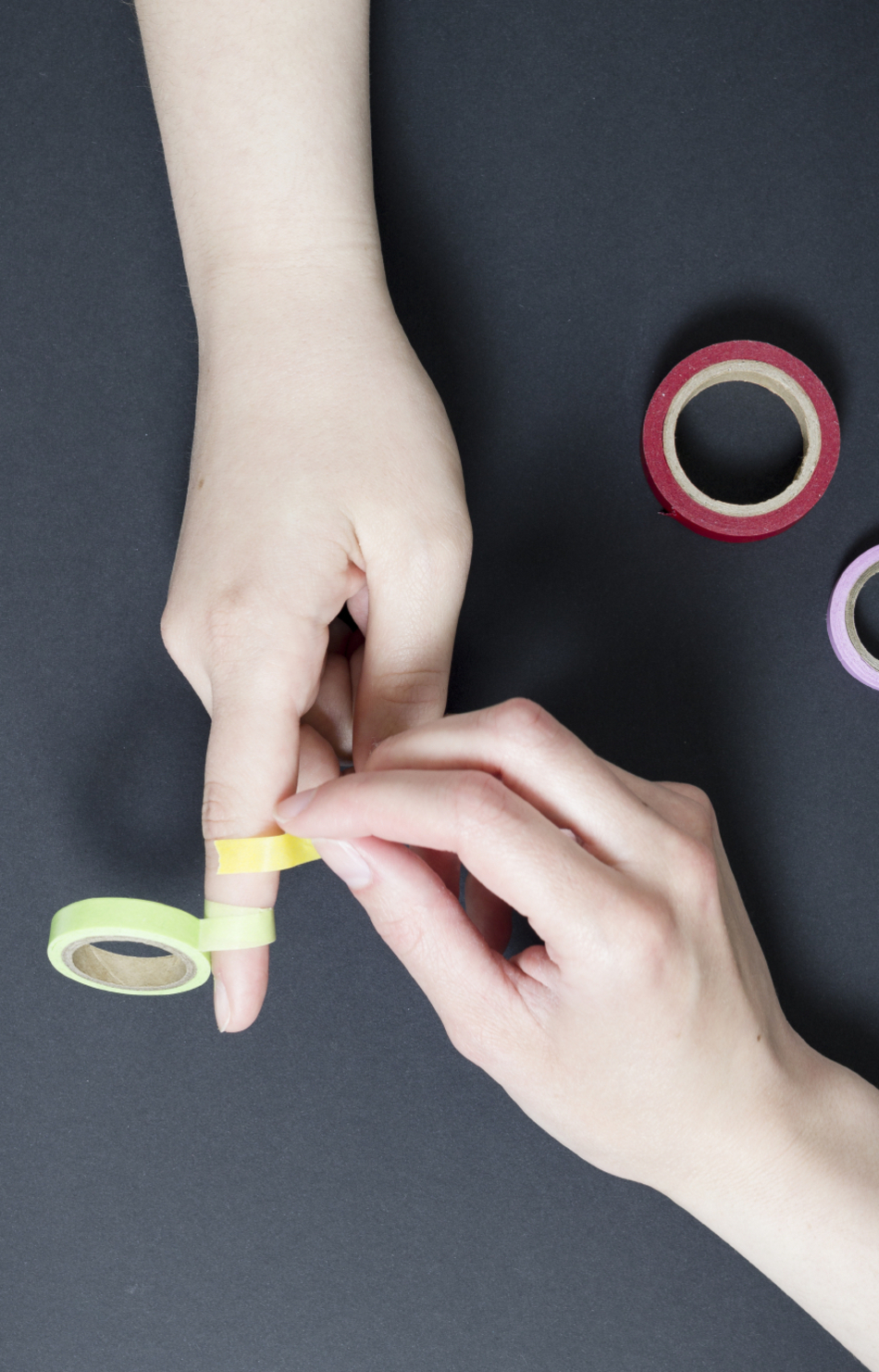
First it sounds strange but cover the wart with duct tape. I know, doesn't it just seem like duct tape fixes everything? You should:
- Cover the wart with a small piece of duct tape just like you would use a band-aid. Warts deprived of air and sun exposure sometimes die without the need for topical treatments.
- Remove the tape once a week, wash the skin, and rub off any dead wart tissue. After it has dried thoroughly overnight, re-apply the duct tape.
The tape treatment may be needed for eight weeks. So find some cool duct tape that your child will like wearing.
Use Duct Tape & Wart Medication for Faster Results
To get faster results with duct tape, use an over-the-counter wart medicine. The best ones contain 17% salicylic acid.
- Put the medicine on the wart once a day enough to cover the entire wart. Be aware, do this in a well ventilated area, because the acid stinks.
- Cover the wart with duct tape after you put the medicine on the wart and the medicine has dried.
- Make sure you don't get any of this medicine near the eyes or the mouth. The medicine will turn the top of the wart into dead skin and it will all turn white.
- Once or twice a week, remove the dead wart material by rubbing the dead skin off with a pumice stone or washcloth. The dead wart will be softer and easier to remove if you soak the area first in warm water for 10 minutes.
Are Warts Contagious? How to Keep Them from Spreading
Warts are contagious but mainly to the child that has the warts. They aren't very contagious to other people.
If your child chews or sucks on the wart, cover the area with duct tape and change it as often as necessary. Encourage your child to give up this habit, because chewing on the warts can cause warts on the lips and or the face. If that happens, your child needs a trip to a dermatologist.
Warts can look ugly but we pretty much all have them at some point in our lives. By knowing how to treat them fast and right away, you can make these ugly bumps go away quickly.
Announcer: Have a question about a medical procedure? Want to learn more about a health condition? With over 2,000 interviews with our physicians and specialists, there’s a pretty good chance you’ll find what you want to know. Check it out at TheScopeRadio.com.
updated: September 14, 2018
originally published: May 13, 2016

Winning the Bedtime Battle: How to Help Kids Sleep Better
Bedtime battles are common, but a consistent sleep routine can make a world of difference. Pediatrician Cindy Gellner, MD, talks about why sleep schedules matter, how to handle common bedtime struggles, and when to seek medical advice for your child's sleep issues.

How to Handle Screen Related Temper Issues in Children
Is your child's screen time causing more tantrums? Pediatrician Cindy Gellner, MD, reveals how excessive digital exposure can lead to emotional challenges in kids.


More Answers to Your Questions on Keeping Your Kid Healthy and Happy
Latest trends and issues in children's health on the Healthy Kids Zone with Dr. Cindy Gellner
