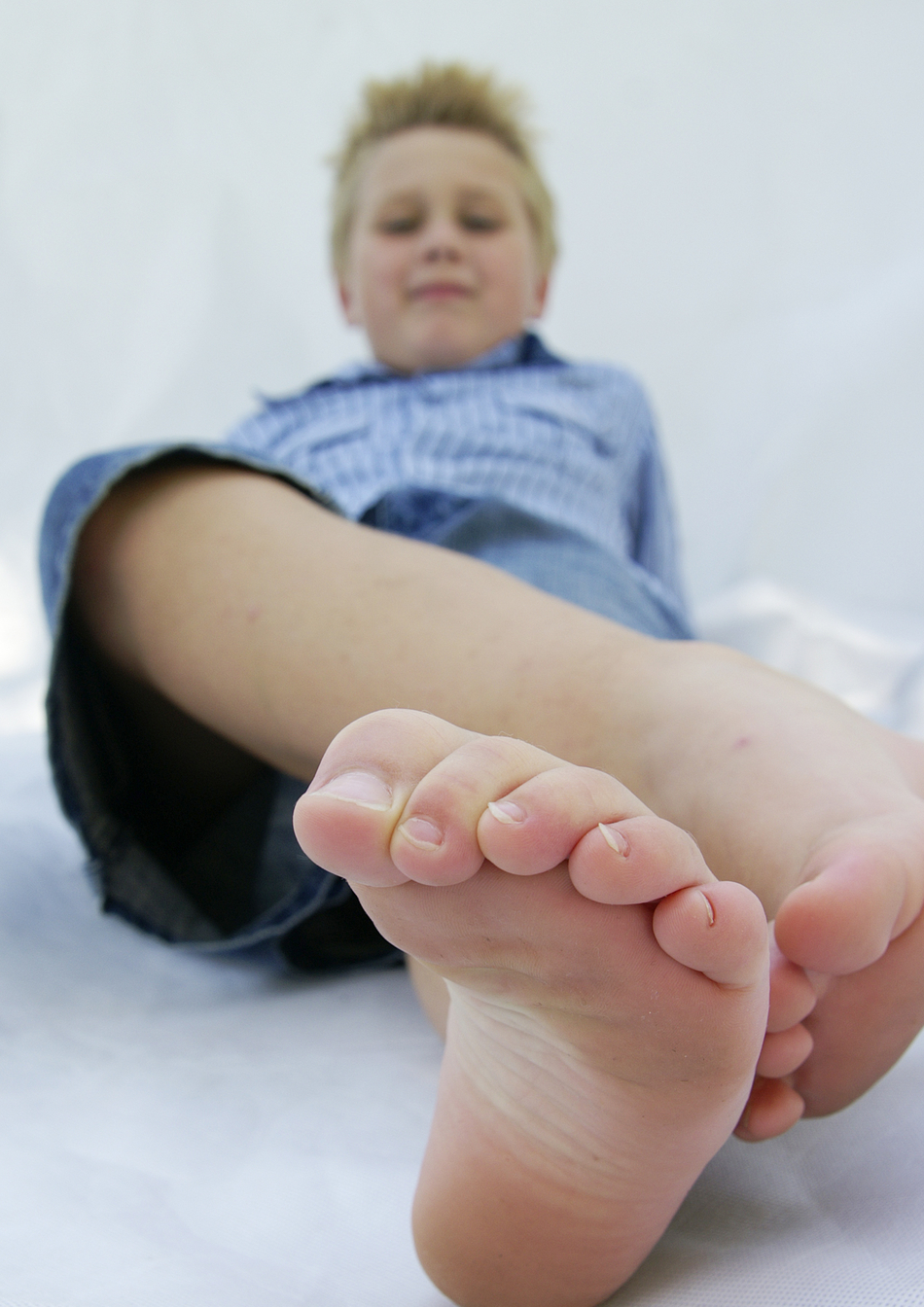
Dr. Gellner: Everyone wants pretty feet, but what if your child's toe gets all red and angry looking? The problem might be an ingrown toenail.
Announcer: Keep your kids healthy and happy. You are now entering the Healthy Kid Zone with Dr. Cindy Gellner on The Scope.
What Is an Ingrown Toenail?
Dr. Gellner: An ingrown toenail is a toenail that grows into the skin of the toe, and it's usually the big toe. It causes your child to have tenderness, redness, and swelling of the skin around the corner of the toenail on one of the big toes. Ingrown toenails are usually caused by tight shoes, which is very common with growing kids' feet, or improper cutting of the toenails.
How to Treat an Ingrown Toenail at Home
They can take several weeks to heal, so how can you help your child during this time? First, soak your child's foot twice a day in warm water and antibacterial soap for 20 minutes. While the foot is soaking, massage the swollen part of the cuticle outward away from the nail. If your child's cuticle is just red and irritated, an antibiotic ointment is probably not needed.
But if the cuticle becomes swollen or oozes pus, put over-the-counter antibiotic ointment on the area where the pus is coming out three times a day for up to a week. The pain your child has is usually caused by the corner of the toenail rubbing against the raw cuticle.
When to See Your Pediatrician
If the soaks and ointment don't help, it's time to see your child's pediatrician. Your child's pediatrician may need to cut the corner of the nail off or take more off of the nail than just the corner so that the irritated tissue can heal more easily.
Your pediatrician only needs to do this once in most cases. The main purpose of this is to help the nail grow over the nail cuticle rather than get stuck in it. Finally, weather permitting, of course, have your child wear sandals or go barefoot as much as possible to prevent pressure on the toenail until it heals. If your child must wear closed shoes, protect the ingrown toenail by taping a thin piece of gauze over the infected area.
How to Prevent Ingrown Toenails
Ingrown toenails can often be prevented. Again, the most common cause of ingrown toenails are those shoes, narrow shoes in particular. So make sure your child's shoes fit properly. Get rid of any pointed or tight shoes. After the cuticle has healed, cut the toenails straight across, leaving the corners visible. You can gently file them so that they're more rounded and don't poke.
Don't cut the nails too short. If your child has ingrown nails over and over, your pediatrician may refer you to a foot doctor called a podiatrist, who can better help manage recurrent nail problems.
Announcer: Have a question about a medical procedure? Want to learn more about a health condition? With over 2,000 interviews with our physicians and specialists, there’s a pretty good chance you’ll find what you want to know. Check it out at TheScopeRadio.com.
updated: September 28, 2018
originally published: May 8, 2016

Winning the Bedtime Battle: How to Help Kids Sleep Better
Bedtime battles are common, but a consistent sleep routine can make a world of difference. Pediatrician Cindy Gellner, MD, talks about why sleep schedules matter, how to handle common bedtime struggles, and when to seek medical advice for your child's sleep issues.

How to Handle Screen Related Temper Issues in Children
Is your child's screen time causing more tantrums? Pediatrician Cindy Gellner, MD, reveals how excessive digital exposure can lead to emotional challenges in kids.


More Answers to Your Questions on Keeping Your Kid Healthy
Latest trends and issues in children's health on the Healthy Kids Zone with Dr. Cindy Gellner
