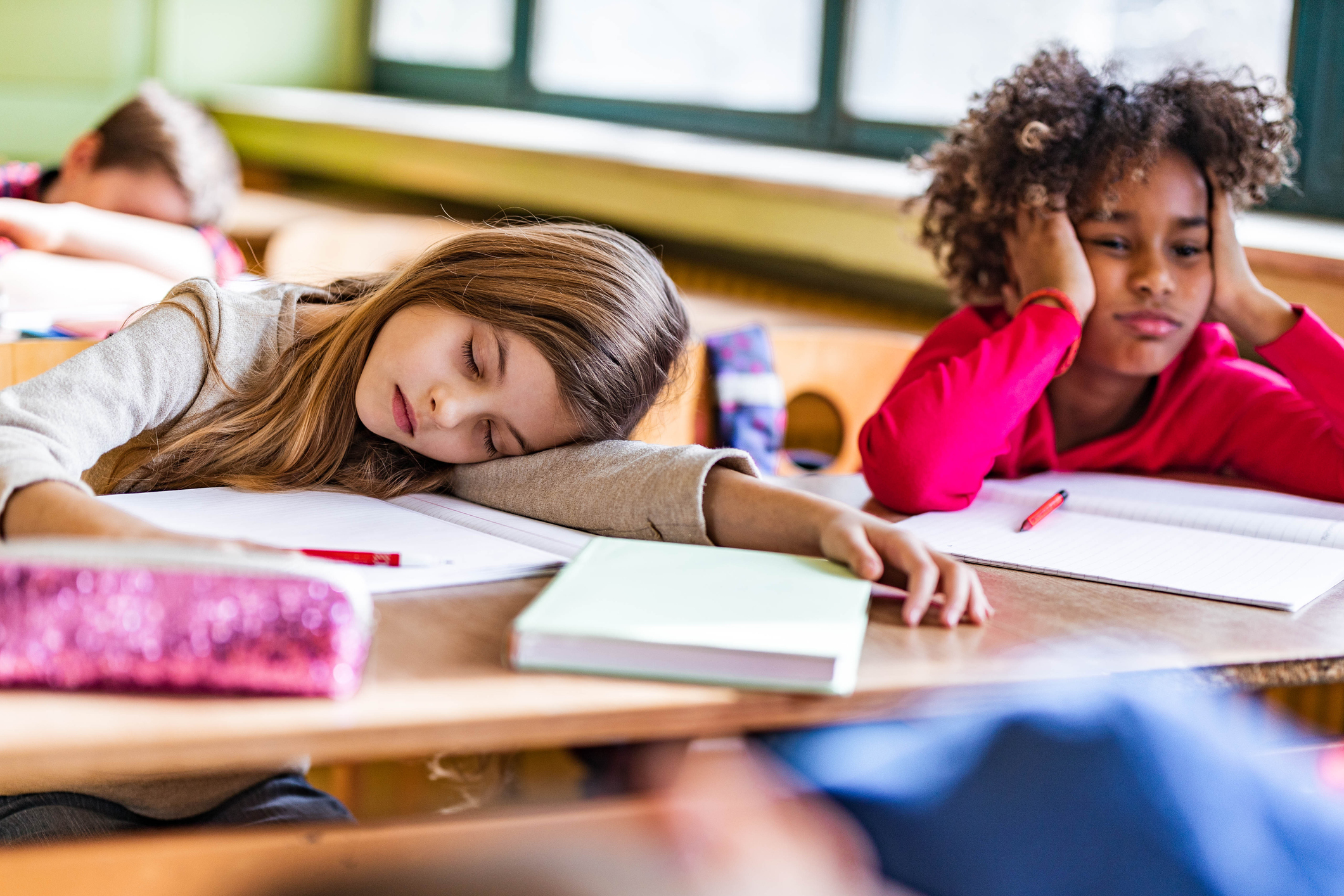
We all know that not getting enough sleep can make our kids cranky, but what other problems can it cause?
There are a lot of reasons why kids aren't getting enough sleep these days—staying up late to watch TV or play video games, being on social media till all hours of the night, and needing to stay up to finish homework or do extracurricular activities. This isn't a good thing though. For one, not getting enough sleep can actually affect a child's immune system by decreasing the cells that help us fight infections and increasing the cells that create inflammation.
Sleep Deprivation Weakens the Body's Defense Mechanisms
Your child's body won't be able to respond to colds or bacterial infections as easily as they could if they get a cold. It will be harder for the body's immune system to get rid of any infection. When a child sleeps, they get better fever response. This is why fevers seem to be higher at night. Fevers are one sign that the body is trying to fight off an infection. And if a child is sleep-deprived, their fever reaction isn't primed and they can't fight off an infection as well as they could if they were well rested.
Sleep Deprivation Hinders Learning Abilities
Lack of sleep can also have a negative effect on how a child learns. Overtired kids work more slowly because it's hard for them to remember what the teacher just told them or what they just read. Their brains have a harder time focusing, even interfering with the formation and recall of long-term memories. When kids are sleep-deprived their brains actually lapse into sleep-like brainwave patterns, which is why tired kids space out during class.
They're more distracted, they may make more careless errors, and they have a hard time focusing on class assignments and tests. And don't forget how kids become moody and impulsive when they're tired. They're more likely to lose their temper causing them to make poor choices and then sit in the principal's office rather than the classroom.
Sleep Deprivation Links to Childhood Obesity
Finally, with childhood obesity being a major concern in society right now, we're finding that kids who sleep less than they should also are more likely to be overweight. This has to do with hormone levels and their effect on hunger. Tired children may tend to eat more because of an increase in the hormone that causes hunger and a decrease in the hormone that reduces hunger.
When to Seek Medical Advice for Sleep-Related Concerns in Children
So when your child argues with you about staying up late, especially on a school night, remember these things and they will help you stand your ground and send them to bed at a reasonable time to get good sleep. If your child has a medical problem that prevents them from getting restful sleep, then it's time to schedule an appointment to discuss these concerns with your child's pediatrician.
updated: September 4, 2023
originally published: June 4, 2018

How to Handle Screen Related Temper Issues in Children
Is your child's screen time causing more tantrums? Pediatrician Cindy Gellner, MD, reveals how excessive digital exposure can lead to emotional challenges in kids.




More Answers to Your Questions on Keeping Your Kid Healthy
Latest trends and issues in children's health on the Healthy Kids Zone with Dr. Cindy Gellner
