This content was originally produced for audio. Certain elements such as tone, sound effects, and music, may not fully capture the intended experience in textual representation. Therefore, the following transcription has been modified for clarity. We recognize not everyone can access the audio podcast. However, for those who can, we encourage subscribing and listening to the original content for a more engaging and immersive experience.
All thoughts and opinions expressed by hosts and guests are their own and do not necessarily reflect the views held by the institutions with which they are affiliated.
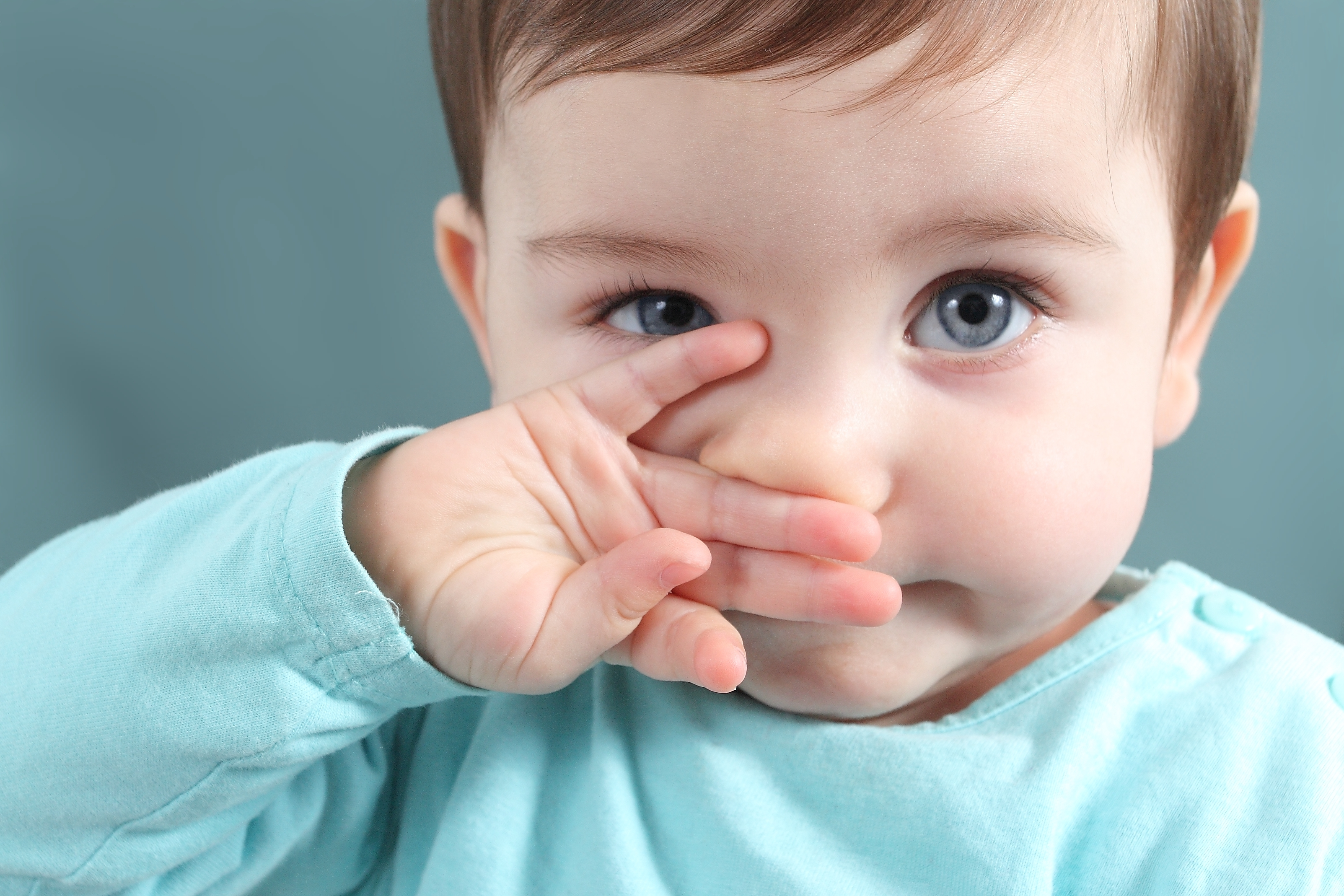
Noses can be pretty gross snot factories. Today on The Scope I'll discuss the old wives' tails about the stuff that comes out of your child's nose.
Fact: Green Mucus Does Not Always Mean Infection
Number one. Mucus. "Green means infection." Yes or no? Not necessarily. In fact, the presence of green mucus may indicate that your child's body is actually fighting off a cold. Unless there are other symptoms and your child has been sick for over three weeks, it's probably still all viral, so antibiotics are not the right choice.
Fact: Bloody Mucus Is Not Always a Sign of Cancer or Bleeding Disorder
Number two. Bloody mucus. "My child has cancer or a bleeding disorder." Highly unlikely. Now, if your child has other symptoms that are concerning, your doctor may want to do more tests, but we see bloody noses all the time. The biggest causes of bloody noses are dryness in the nose, mucus irritation, allergies, and kids picking their noses.
Fact: Objects Lodged in the Nose Can Result in Puss
Number three. "There's puss coming out of one side of my child's nose." Well, chances are pretty high that your child stuck something up their nose that isn't supposed to be there. Kids are notorious for putting random things in weird places. I've even seen Play-Doh in an ear.
For some reason, kids stick things up their noses and then those things get stuck. Usually, these are small toys, peas, cherry pits, even screws. Sometimes your pediatrician can get it out. Sometimes a trip to the ER is needed. And sometimes it's so far up there and has been there so long that the ear, nose, and throat specialists need to get involved. This is the one time when antibiotics are often given to help take care of an infection caused by an inappropriately placed object.
Fact: Drinking Milk While Having a Cold Does Not Cause More Mucus
Number four. Drinking milk while your child has a cold, causes more mucus. While many people swear milk produces mucus, that effect can't be explained by science. In fact, several studies that have actually measured peoples' mucus production after drinking milk, have found no statistical significance when compared to mucus production in the non-milk-drinking crowd. Scientists think that people feel like there is more mucus due to the viscosity of milk being thicker than other liquids, causing the sensation of post-nasal drainage from mucus.
So no matter what's coming out of your child's nose, you may hear a lot of things. But if you really want an honest answer, speak to your child's pediatrician.
updated: January 15, 2024
originally published: August 29, 2016
More Answers to Your Questions on Keeping Your Kid Healthy
Latest trends and issues in children's health on the Healthy Kids Zone with Dr. Cindy Gellner


Winning the Bedtime Battle: How to Help Kids Sleep Better
Bedtime battles are common, but a consistent sleep routine can make a world of difference. Pediatrician Cindy Gellner, MD, talks about why sleep schedules matter, how to handle common bedtime struggles, and when to seek medical advice for your child's sleep issues.

How to Handle Screen Related Temper Issues in Children
Is your child's screen time causing more tantrums? Pediatrician Cindy Gellner, MD, reveals how excessive digital exposure can lead to emotional challenges in kids.


