This content was originally produced for audio. Certain elements such as tone, sound effects, and music, may not fully capture the intended experience in textual representation. Therefore, the following transcription has been modified for clarity. We recognize not everyone can access the audio podcast. However, for those who can, we encourage subscribing and listening to the original content for a more engaging and immersive experience.
All thoughts and opinions expressed by hosts and guests are their own and do not necessarily reflect the views held by the institutions with which they are affiliated.
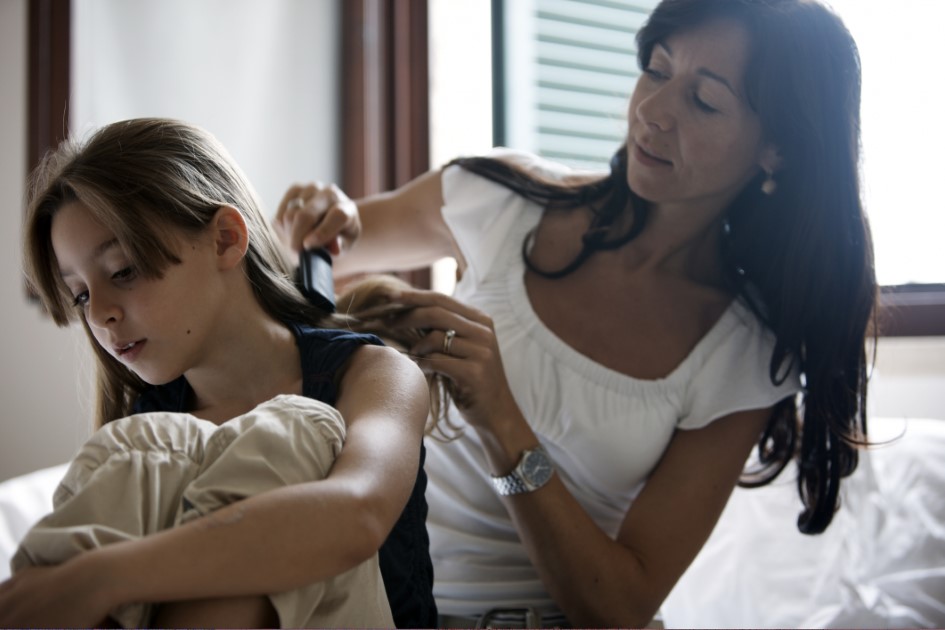
Hair grooming syncope it sounds like something that's just made up but it's very real. I have a few patients who come in with this diagnosis every year. These are mostly girls but it can occur in boys and it's exactly what it sounds like. Basically, while someone is grooming their hair or getting their hair groomed by someone else the patient starts to feel dizzy and then they faint. They're usually out very briefly and then they're totally normal again. But when it happens it can really scare both the person who fainted and the person who was doing the hair grooming if it wasn't the person themselves.
What is Hair Grooming Syncope?
Brushing curling braiding or even drying hair can cause stimulation of the nerves on the scalp which can misread the signals of normal grooming and cause kids to faint and even have seizure-like symptoms. Basically, the nerves in the scalp send messages to the vasovagal nerve which is the nerve that regulates blood pressure and heart rate. When the vasovagal nerve gets the signal it gets stimulated to drop blood pressure and slow down the heart rate and then boom the person faints. People often hear about "going vagal" and passing out when they get their shots or their blood drawn and this is the same kind of reaction. The nervous system sends a signal that your body reacts to and in this case, the reaction is passing out.
When to See a Doctor
If your child passes out you actually should have them seen. You don't need to rush to the emergency room but seeing your doctor as soon as possible is best. Usually doing a good history will help your child's doctor figure out what's going on. The history part of hair grooming syncope is classic. And if you describe something like this to your child's doctor they should be comfortable giving you this diagnosis without needing to refer you right off the bat to neurology. Now if your child passes out or has seizure-like activity over and over then we absolutely will be referring them to neurology.
Prevention and Management
If your child is diagnosed with hair grooming syncope there's good news. Just doing some simple precautions can help it not happen. Make sure your child is sitting down not standing while grooming their hair. Try to do hair grooming after they eat a meal and make sure your child is well hydrated. Syncope in general happens more if someone is standing too long not eating properly or is dehydrated. If your child passes out and they don't wake up for several minutes or if they have a seizure that lasts longer than 30 seconds or if they turn blue and stop breathing that is not syncope. You need to call 911 if those things happen.
Syncope or fainting can be something really concerning for parents and kids. But often there's a very logical cause and the treatments are simple lifestyle changes. Again if your child passes out have them seen by their pediatrician to help determine the cause and what the best course of action is.
More Answers to Your Questions on Keeping Your Kid Healthy
Latest trends and issues in children's health on the Healthy Kids Zone with Dr. Cindy Gellner


Winning the Bedtime Battle: How to Help Kids Sleep Better
Bedtime battles are common, but a consistent sleep routine can make a world of difference. Pediatrician Cindy Gellner, MD, talks about why sleep schedules matter, how to handle common bedtime struggles, and when to seek medical advice for your child's sleep issues.

How to Handle Screen Related Temper Issues in Children
Is your child's screen time causing more tantrums? Pediatrician Cindy Gellner, MD, reveals how excessive digital exposure can lead to emotional challenges in kids.


