This content was originally produced for audio. Certain elements such as tone, sound effects, and music, may not fully capture the intended experience in textual representation. Therefore, the following transcription has been modified for clarity. We recognize not everyone can access the audio podcast. However, for those who can, we encourage subscribing and listening to the original content for a more engaging and immersive experience.
All thoughts and opinions expressed by hosts and guests are their own and do not necessarily reflect the views held by the institutions with which they are affiliated.
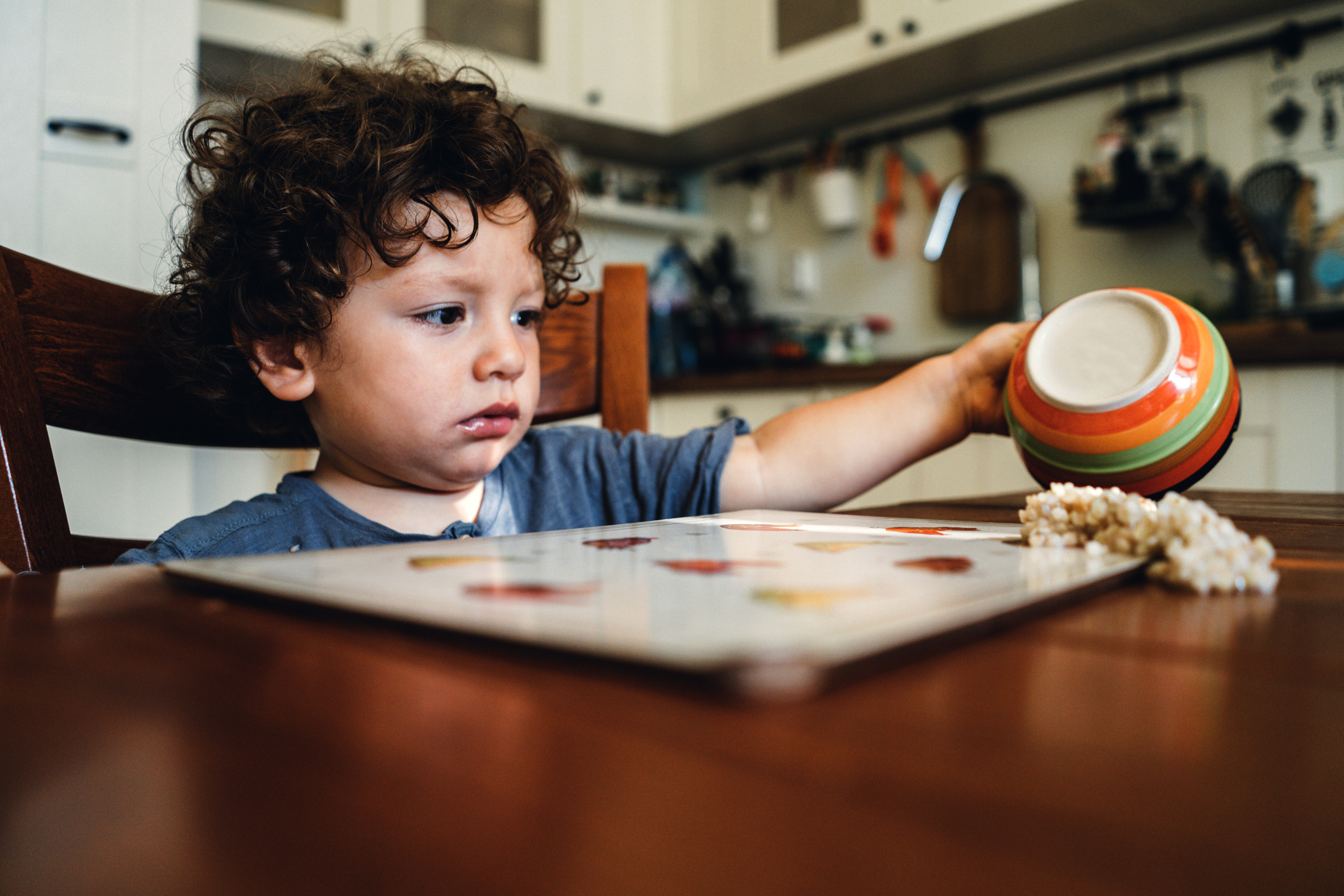
Your once-healthy eater is now toddling everywhere and has decided five Cheerios is all he needs to eat for days on end. Should you worry your child will starve?
Understanding Toddler Eating Habits
This is something I seem to talk about on a daily basis. Actually, often several times a day. Parents get very worried that their toddler isn't eating and there's something seriously wrong with them. Well, the truth is between the ages of 1 and 5 years old, it's completely normal for a toddler's appetite to slow down. It may seem like your child doesn't eat enough, is never hungry, or won't eat unless you spoon-feed them yourself. The good news is, as long as your child's energy level is normal and they're growing along their growth curves, they'll be okay.
Normal Appetite Changes in Toddlers
"But why aren't they eating?" you ask. Parents are used to their babies gaining an average of 15 pounds during the first year, and between the ages of 1 and 5, toddlers in preschool years, children only gain about four to five pounds a year. So these children can actually go three to four months without much weight gain. They're not growing as fast. They need fewer calories, and they seem to have a poor appetite. The phenomenon actually has a name. It's called physiological anorexia.
How much a child chooses to eat is controlled by the appetite center in the brain. Kids are already programmed to eat as much as they need for growth and energy. Many parents try to force their child to eat more than they need because they worry that their child's poor appetite might cause them to get sick or develop a vitamin deficiency. The good news is this isn't true. But what can happen is that forced feedings actually decrease a child's appetite by making mealtime more of a punishment for your child.
We had this situation with our boys. They were under the growth curve, always tiny. So when they went through this eating phase, it was really frustrating, and you want to just grab a spoonful of food and shove it in their mouths, but that's the wrong thing to do. Your child's appetite will improve when they become older and need to eat more, usually right around the time they start kindergarten. Right on time, our kids started eating, and then it was like, "Really? You want thirds? Where are you putting it all?"
Strategies for Success: Navigating Toddler Eating Habits
So how can both you and your child survive during this eating power struggle? First, trust your child. Kids usually eat as much as they need. Your child's brain will make sure they eat enough calories. Serve healthy meals and snacks. If your child is hungry, they will eat. If they are not, they won't eat, and they'll be fine, and they'll be hungry by the next meal. Even reminding them to eat or to eat more will backfire.
Healthy Mealtime Practices
Many parents also want to offer their child snacks all day long. This is a big no-no. Kids will graze and have so many snacks that they never become truly hungry. Let your child have no more than two small, healthy snacks a day, like a piece of fruit, for example. Make sure the snacks are not choking hazard size because toddlers and preschoolers are still at high risk of shoving a handful of things in their mouth and then choking on them.
If your child is thirsty between meals, offer water. Limit the amount of juice your child drinks to less than six ounces each day. Despite juice being thought of as healthy, it's pure sugar and calories. Limit low-fat milk to less than 16 ounces a day. They should have whole milk from the ages of 1 to 2. Milk contains as many calories as most solid foods, so drinking too much milk or juice can fill kids up, and then they're not hungry for anything to eat. Again, my kids would drink milk all day long if we let them, and they would drink a whole cup before a meal even started, and then they would say they were full a few bites in. Once we figured out this was happening, limiting milk at the table really helped.
Avoiding Power Struggles
Forced feeding is a main cause of eating power struggles. Parents of a child with a poor appetite will tend to pick up the spoon, fill it with food, smile, and try to trick the child into taking it. Once your child is old enough to use a spoon, never pick it up again as a parent. If your child is hungry, they'll feed themselves. Parents should focus on feeding themselves. It's a kind of sneaky thing, but kids like to do whatever their parents are doing, so if they see you eating, they'll want to do it too.
Parents also need to make mealtimes pleasant and avoid making them a time for criticism or struggle over self-control. Don't talk about how much your child eats or how little they eat in their presence. Again, that will backfire. Don't make your child sit at the dinner table after the rest of the family is through eating. This will only cause your child to feel bad about themselves and mealtime in general.
Trusting Your Child's Appetite Development
Parents who are worried that their child isn't eating enough may go off the deep end and get a bit irrational. Some wake their child up in the middle of the night to feed them. Others offer their child snacks at one-hour intervals throughout the day, and some try to make their child feel guilty by talking about those starving children in other countries or saying, "If you don't eat what I cook, it means you don't love me." But the most common mistake is picking up a child's spoon or fork and trying various ways to get the food into their mouth.
The main way to prevent feeding struggles is to teach your child how to feed themselves. Let your child pace their feedings. Remember, your child will survive the toddler appetite picky-eating slump. They're doing what their body does naturally. Don't turn it into a power struggle that you just can't win.
updated: November 26, 2024
originally published: February 1, 2016
More Answers to Your Questions on Keeping Your Kid Healthy and Happy
Latest trends and issues in children's health on the Healthy Kids Zone with Dr. Cindy Gellner


When Does Your Child Really Need Lab Work?
Parents often ask about blood tests during routine pediatric visits, but pediatrician Cindy Gellner, MD, clarifies that healthy children rarely need them. She shares some of the criteria for screenings in young patients and how insurance factors into decision-making.

What to Do When Your Baby Sounds Congested
Newborns cannot blow their noses, and they are not great at breathing through their mouths either—so even a little mucus can sound dramatic. Pediatrician Cindy Gellner, MD, shares what is normal when it comes to newborn sneezing and snorting, how to use saline and suction safely, and when to check in with your pediatrician.

Understanding Childhood Mood Disorders Beyond Bipolar
Is your child often irritable or prone to temper outbursts? Pediatrician Cindy Gellner, MD, clarifies the distinctions between bipolar disorder and Disruptive Mood Dysregulation Disorder (DMDD), emphasizing the importance of accurate diagnosis in childhood mood disorders.


